


 Android App
 About SPORTIVO Network
Lithium Strip: Uses, Benefits, and Applications in Modern Technology
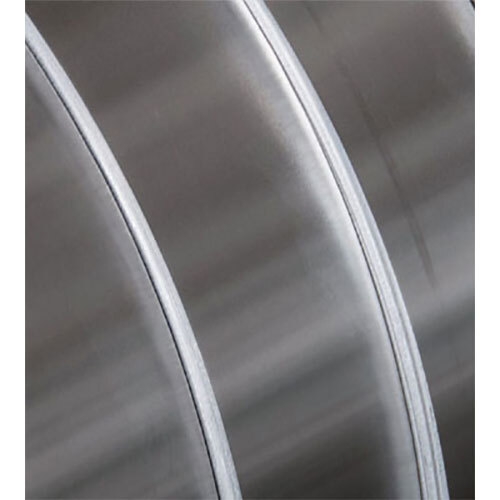
The demand for advanced battery materials has increased rapidly due to the growth of electric vehicles, renewable energy storage, and portable electronics. One material that plays an important role in these innovations is the lithium strip. A lithium strip is a thin piece of lithium metal commonly used in battery research, laboratory experiments, and industrial energy storage solutions.
Because lithium is the lightest metal and has excellent electrochemical properties, it is widely used in modern battery technologies. Lithium strips are especially useful in research and manufacturing environments where precise amounts of lithium metal are required.
In this article, we will explore what lithium strips are, how they work, their applications, benefits, and why they are important in the future of energy storage.
What Is a Lithium Strip
A lithium strip is a thin, flexible piece of lithium metal that is typically produced in ribbon or sheet form. It is commonly used in laboratories, battery manufacturing, and electrochemical experiments.
Lithium strips are valued for their:
-
High energy density
-
Excellent conductivity
-
Lightweight properties
-
Strong electrochemical performance
These strips are often used as electrodes in battery testing and research, particularly in the development of next-generation batteries such as solid-state batteries and lithium-metal batteries.
Key Properties of Lithium Strips
Lithium strips have several unique properties that make them useful in many technological and industrial applications.
1. Lightweight Metal
Lithium is the lightest metal in the periodic table. This property helps manufacturers create batteries that store more energy while remaining lightweight.
2. High Electrochemical Potential
Lithium has a very high electrochemical potential, which allows it to store and release large amounts of energy efficiently.
3. Excellent Conductivity
Lithium strips conduct electricity very well, making them suitable for battery electrodes and energy storage research.
4. Flexible and Easy to Cut
Lithium strips can be easily cut into specific sizes, which is useful for laboratories and research experiments.
Common Uses of Lithium Strips
Lithium strips are widely used across different industries and research fields.
Battery Research and Development
One of the most common uses of lithium strips is in battery research. Scientists use them to test and develop advanced battery technologies, including:
-
Lithium-metal batteries
-
Solid-state batteries
-
High-capacity rechargeable batteries
These batteries are essential for powering electric vehicles and renewable energy storage systems.
Laboratory Experiments
Lithium strips are often used in chemical laboratories for electrochemical testing and material research. They allow scientists to study battery reactions and develop new energy solutions.
Energy Storage Technology
Energy storage systems require materials that can store large amounts of electricity. Lithium strips are used in experimental energy storage systems designed to support solar and wind power technologies.
Electronics and Advanced Devices
Some advanced electronic devices use lithium-based components for better performance. Lithium strips help researchers create more efficient and longer-lasting power sources.
Benefits of Using Lithium Strips
Lithium strips offer several advantages that make them valuable in modern technology.
High Energy Efficiency
Lithium strips can store more energy compared to many other materials. This makes them ideal for high-performance batteries.
Improved Battery Performance
Using lithium metal improves battery capacity, lifespan, and efficiency. This is one reason lithium-based batteries dominate the electronics and electric vehicle industries.
Support for Renewable Energy
Lithium technology plays a major role in storing renewable energy from solar and wind power systems. Lithium strips help researchers develop better storage solutions.
Versatility
Lithium strips can be used in various applications, including laboratory testing, battery manufacturing, and advanced research projects.
Safety Considerations When Handling Lithium Strips
Although lithium strips are extremely useful, they must be handled carefully because lithium is a highly reactive metal.
Important safety precautions include:
-
Store lithium strips in dry environments
-
Avoid contact with water or moisture
-
Use protective gloves and equipment
-
Handle in controlled laboratory conditions
Proper storage and handling help prevent chemical reactions and ensure safe use.
Future of Lithium Strip Technology
The future of lithium strip technology is closely connected to the advancement of energy storage systems. Researchers are continuously working to improve lithium-metal batteries, which could provide much higher energy capacity than current lithium-ion batteries.
Future developments may include:
-
Longer-lasting electric vehicle batteries
-
Faster charging technologies
-
More efficient renewable energy storage systems
-
Improved battery safety and performance
As the global demand for clean energy increases, lithium strips will continue to play a key role in developing next-generation power solutions.
Frequently Asked Questions (FAQs)
What is a lithium strip used for
A lithium strip is mainly used in battery research, laboratory experiments, and the development of advanced energy storage technologies.
Why is lithium used in batteries
Lithium is used because it is lightweight and has a high energy density, allowing batteries to store more energy in a smaller size.
Are lithium strips dangerous
Lithium strips can be reactive if exposed to water or air. Proper storage and safe handling practices are necessary to avoid chemical reactions.
Can lithium strips be used in rechargeable batteries
Yes, lithium strips are often used in research for rechargeable lithium-metal batteries and advanced battery technologies.
Where are lithium strips commonly used
They are commonly used in laboratories, battery manufacturing facilities, and energy research centers.
Conclusion
Lithium strips are an important material in modern battery technology and scientific research. Their lightweight nature, excellent conductivity, and high energy capacity make them ideal for developing advanced energy storage systems. As industries continue to move toward renewable energy and electric transportation, lithium strips will remain a key component in the development of next-generation batteries and power solutions.

 Czech
Czech
 English
 Arabic
 French
 Spanish
 Portuguese
 Deutsch
 Turkish
 Dutch
Dutch
 Russian
 Romaian
 Portuguese (Brazil)
 Greek
Greek