


 Android App
 About SPORTIVO Network
Instrumentation Fittings: Key Components for Efficient Industrial Systems
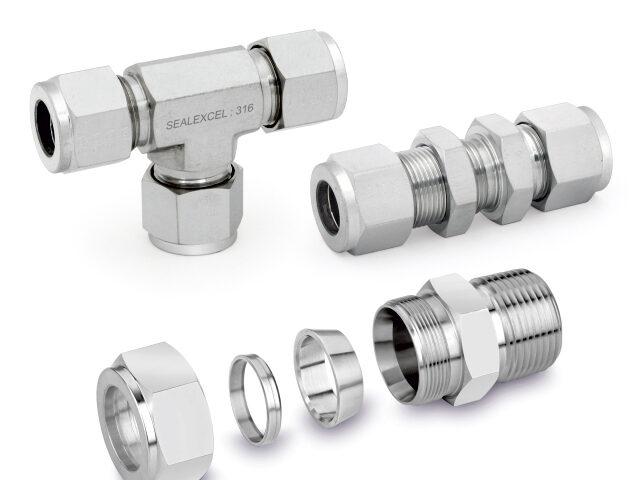
In every industrial setup, precision and reliability are critical. Instrumentation Fittings are essential components that connect pipes, tubes, and instruments to ensure accurate measurement and control of process parameters such as pressure, flow, and temperature. These fittings are designed for durability, leak-free performance, and ease of installation, making them indispensable in oil & gas, chemical, pharmaceutical, and power industries.
What Are Instrumentation Fittings?
Instrumentation Fittings are specialized connectors used in industrial systems to join tubes, pipes, and instruments like gauges, transmitters, and valves. They ensure safe and accurate transfer of process variables while maintaining system integrity.
These fittings come in various designs, including elbows, tees, unions, adapters, and connectors, each serving a specific purpose in controlling and directing the flow of fluids or gases.
Types of Instrumentation Fittings
Instrumentation fittings are available in multiple types to meet the requirements of diverse industrial applications:
1. Tube Fittings
-
Connect tubes to instrumentation devices and pipelines.
-
Types include compression fittings, ferrule fittings, and flare fittings.
-
Provide secure, leak-proof connections.
2. Elbow Fittings
-
Used to change the direction of tubing or piping.
-
Commonly available in 45° and 90° angles.
-
Ideal for compact systems or areas with limited space.
3. Tee Fittings
-
Split flow or combine multiple lines in instrumentation systems.
-
Facilitate flexibility in system design.
4. Union Fittings
-
Allow quick assembly and disassembly of pipelines.
-
Useful for maintenance or replacement without cutting tubing.
5. Adapters and Reducers
-
Connect pipes or tubes of different sizes or thread types.
-
Ensure smooth integration of components in complex systems.
6. Male and Female Connectors
-
Provide secure and threaded connections between instruments and tubes.
-
Compatible with international thread standards such as NPT, BSP, and ISO.
Materials Used in Instrumentation Fittings
Selecting the right material is crucial for the durability and performance of instrumentation fittings:
-
Stainless Steel (SS 304, SS 316, SS 316L): High corrosion resistance and durability for chemical, pharmaceutical, and marine applications.
-
Brass: Cost-effective and corrosion-resistant, suitable for low to medium pressure systems.
-
Monel or Nickel Alloys: High resistance to seawater and corrosive chemicals, ideal for offshore and chemical industries.
-
Carbon Steel: Strong and economical for non-corrosive environments.
-
Copper Alloys: Excellent thermal conductivity, often used in HVAC and water systems.
Applications of Instrumentation Fittings
Instrumentation fittings are used in a wide range of industrial applications:
-
Oil & Gas Industry – Connect transmitters, gauges, and valves in pipelines, refineries, and offshore rigs for accurate pressure, flow, and temperature monitoring.
-
Chemical & Petrochemical Plants – Ensure leak-proof connections for corrosive fluids in reactors, heat exchangers, and pipelines.
-
Power Generation – Used in turbines, boilers, and condensers to monitor and control system parameters.
-
Pharmaceutical & Food Industry – Provide hygienic, corrosion-resistant connections for process instrumentation.
-
Water Treatment & Desalination Plants – Connect flow and pressure sensors for reliable monitoring.
-
HVAC & Refrigeration – Support temperature and pressure monitoring in piping systems.
Advantages of Using Instrumentation Fittings
-
Leak-Free Connections: Prevent fluid leakage and ensure accurate measurements.
-
Durability and Corrosion Resistance: Extend service life in harsh environments.
-
Versatility: Compatible with a wide range of instruments, tubing, and piping systems.
-
Ease of Maintenance: Allow quick replacement and repair without system downtime.
-
Pressure and Temperature Resistance: Suitable for high-pressure and high-temperature operations.
-
Safety Compliance: Ensure safe and reliable operation in critical industrial systems.
Tips for Selecting Instrumentation Fittings
-
Material Compatibility: Ensure the fitting material is compatible with the process fluid.
-
Pressure and Temperature Rating: Check that fittings can handle the system’s operating conditions.
-
Thread and Size Compatibility: Match the fitting with the tubing and instrumentation connection.
-
Industry Standards Compliance: Ensure fittings meet relevant ISO, ASTM, or ASME standards.
-
Maintenance Requirements: Choose fittings that allow easy disassembly for inspections or replacements.
Maintenance Guidelines
-
Inspect fittings regularly for wear, corrosion, or leakage.
-
Tighten threaded connections to avoid loosening due to vibration.
-
Replace worn ferrules or seals promptly.
-
Clean fittings in hygienic or chemical applications to maintain accurate measurement.
Proper maintenance ensures reliable system performance and extends the service life of instrumentation fittings.
Conclusion
Instrumentation fittings are critical for ensuring accurate measurements, reliable operation, and safety in industrial systems. From oil & gas and chemical industries to pharmaceuticals and power generation, these fittings provide leak-proof, durable, and versatile connections for instruments, tubing, and pipelines.
Investing in high-quality instrumentation fittings not only ensures system efficiency but also reduces maintenance costs, enhances safety, and prolongs equipment life.

 Czech
Czech
 English
 Arabic
 French
 Spanish
 Portuguese
 Turkish
 Dutch
Dutch
 Italiano
 Russian
 Romaian
 Portuguese (Brazil)
 Greek
Greek