


 Android App
 About SPORTIVO Network
Offshore Taxation Explained- How to get Compliance Benefits, and Global Tax Planning?
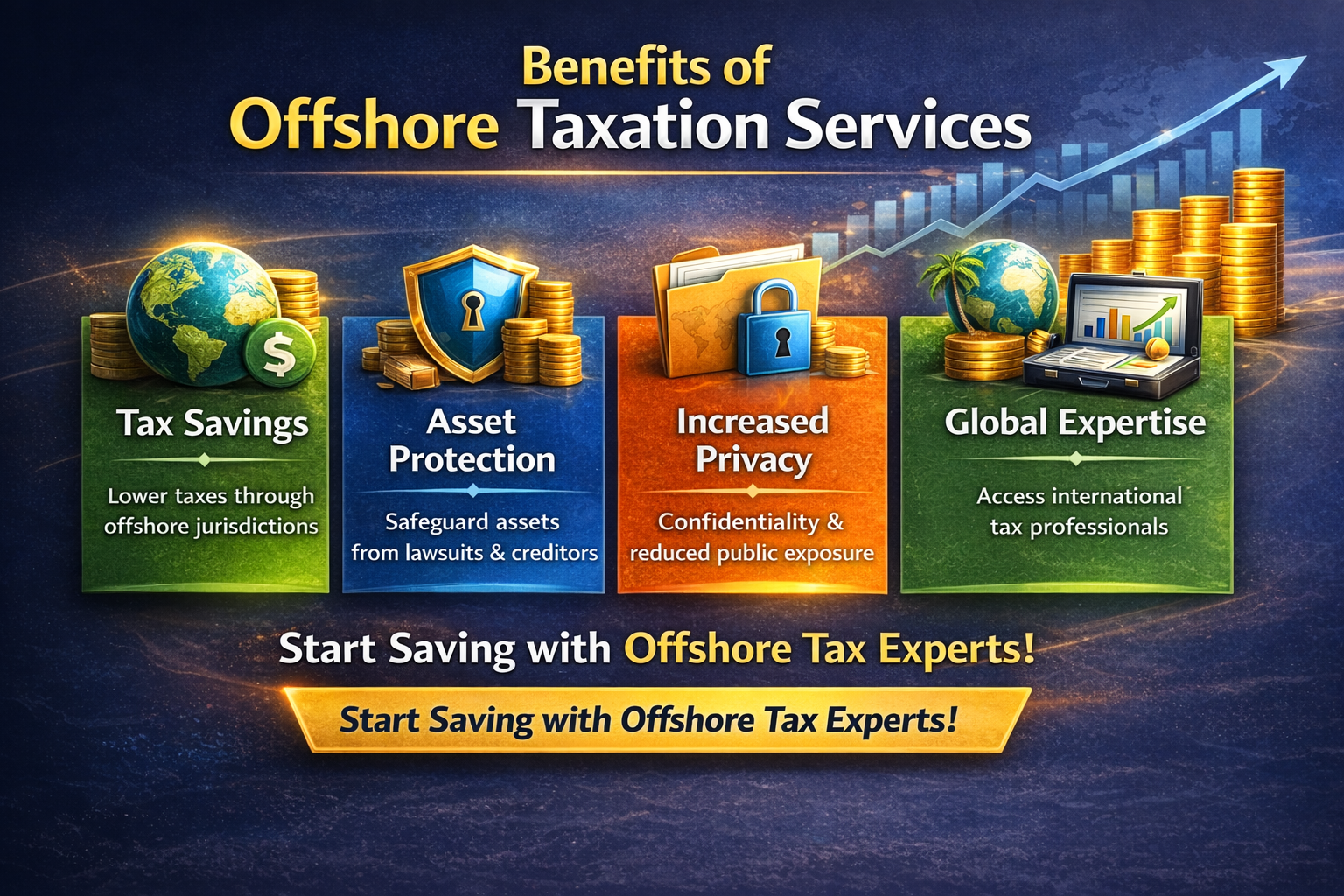
Yes, offshore taxation is legal for businesses and individuals when it complies with the tax laws of all relevant countries.
Offshore taxation becomes illegal only when it involves:
-
Concealing income
-
Failing to report foreign assets
-
Creating sham entities without economic substance
-
Intentionally evading taxes
Modern international tax systems focus on transparency, disclosure, and regulatory compliance—not secrecy.
Why Offshore Taxation Is Legally Recognized
Global trade and cross-border income are common in today’s economy. Tax laws therefore allow:
-
Foreign subsidiaries and branch structures
-
International investments
-
Tax treaty benefits (DTAA relief)
-
Foreign tax credits
-
Legitimate global entity structuring
Legal offshore taxation ensures income is taxed correctly, in the appropriate jurisdiction, without double taxation.
What Are Offshore Taxation Services?
Offshore taxation services involve outsourcing international tax research, compliance support, and documentation preparation to qualified professionals located in other countries.
These services operate under the supervision of licensed onshore CPAs, tax advisors, or accounting firms.
The primary goal is compliance-driven tax efficiency—not tax avoidance.
Common Offshore Taxation Services Include:
-
International tax research
-
Cross-border tax planning support
-
Foreign income reporting assistance
-
Transfer pricing documentation
-
Tax treaty analysis
-
Permanent establishment (PE) risk review
-
Global tax compliance coordination
Final tax filings and professional opinions always remain with authorized onshore advisors.
How Offshore Taxation Services Work
Offshore tax services follow a structured compliance framework:
1. Global Tax Assessment
Professionals review:
-
Countries of operation
-
Types of income (salary, business, dividends, capital gains)
-
Entity structure
-
Existing tax obligations
2. Jurisdiction-Specific Research
Teams analyze:
-
Local tax regulations
-
Withholding tax rules
-
Filing requirements
-
Tax treaty provisions
3. Double Taxation Relief Review
Offshore experts evaluate:
-
DTAA eligibility
-
Reduced withholding rates
-
Foreign tax credit claims
-
Residency rules
4. Documentation Preparation
They prepare:
-
Tax computation schedules
-
Supporting documentation
-
Transfer pricing reports
-
Audit-ready working papers
5. Onshore Review & Filing
Licensed professionals:
-
Validate assumptions
-
Finalize tax returns
-
Submit filings
-
Communicate with authorities
This layered approach ensures compliance, transparency, and accuracy.
How Offshore Taxation Works for Global Income
For Businesses:
Offshore taxation services help with:
-
Profit allocation across countries
-
Transfer pricing compliance
-
Permanent establishment risk analysis
-
Withholding tax management
-
Global effective tax rate optimization
For Individuals:
They assist with:
-
Reporting foreign salary
-
Declaring overseas rental or investment income
-
Managing foreign capital gains
-
Applying tax treaty benefits
-
Claiming foreign tax credits
This reduces compliance risk and prevents double taxation.
What Offshore Taxation Services Do Not Do
Reputable offshore providers do not:
-
Hide income or assets
-
Provide unauthorized legal opinions
-
Sign tax returns independently
-
Represent taxpayers without approval
Compliance and transparency remain mandatory.
Why Businesses Choose Offshore Taxation Services
Key advantages include:
-
Access to international tax expertise
-
Cost efficiency compared to in-house teams
-
Faster turnaround for documentation
-
Improved audit readiness
-
Reduced compliance risk
-
Enhanced scalability for CPA firms
Compliance and Global Regulations
Modern offshore taxation operates under strict international standards, including:
-
OECD guidelines
-
BEPS framework
-
CRS and FATCA reporting
-
Economic substance regulations
Any service provider promoting secrecy or non-disclosure should be avoided.
Conclusion
Offshore taxation is a legal and structured approach to managing cross-border income. When implemented properly, offshore taxation services help businesses and individuals:
-
Avoid double taxation
-
Maintain regulatory compliance
-
Improve financial transparency
-
Support sustainable international growth
The key to success is full disclosure, proper governance, and oversight by qualified onshore tax professionals.

 Czech
Czech
 English
 Arabic
 French
 Spanish
 Deutsch
 Turkish
 Dutch
Dutch
 Italiano
 Russian
 Romaian
 Portuguese (Brazil)
 Greek
Greek