


 About SPORTIVO Network
Understanding iOS Updates Benefits and Troubleshooting Common Issues
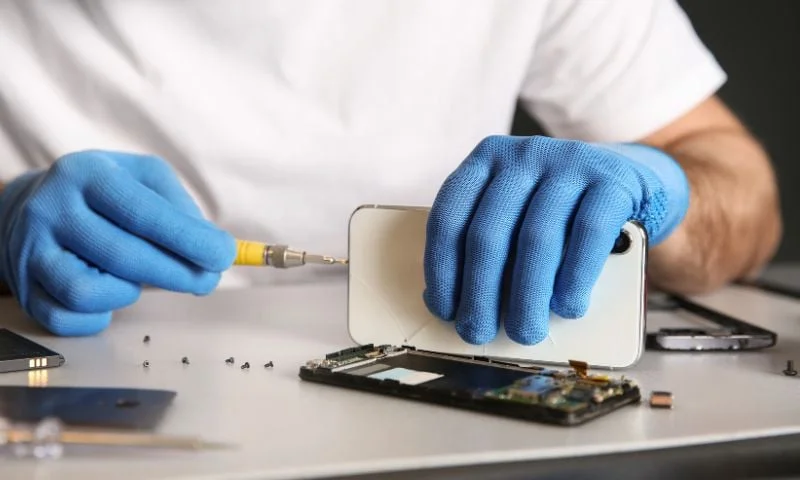
Your iPhone and iPad receive regular software updates from Apple. These updates add new features, improve security, and fix bugs that might cause problems. However, many people feel unsure about whether they should install updates, or they encounter problems after updating. This guide will help you understand what iOS updates are, why they are important, and how to troubleshoot problems if they occur.
Why Apple Releases iOS Updates
Apple releases iOS updates for several important reasons. Understanding why updates happen will help you appreciate their importance and be more willing to install them.
Security is the most critical reason for updates. Hackers are constantly discovering new ways to attack devices and steal information. iOS updates include security patches that fix vulnerabilities before hackers can exploit them. Installing updates as soon as they become available is one of the best ways to protect your device and your personal information.
Bug fixes are another important reason for updates. Despite Apple's careful testing, bugs sometimes slip through and cause problems. Users might discover issues that were not caught during testing. Apple releases updates to fix these bugs and improve device stability and performance.
Performance improvements are also common in updates. Apple optimizes their code to make devices run faster and more efficiently. Newer updates often make older devices perform better than they did with older iOS versions.
New features are the most visible reason for updates. Each major iOS update typically includes new features that users can enjoy. These features enhance the user experience and add new capabilities to your device.
Types of iOS Updates
Apple releases different types of updates, and it is important to understand the differences.
Major updates like iOS sixteen or iOS seventeen introduce significant new features and changes to the operating system. These updates are released once per year and usually come with many new capabilities. Major updates can sometimes require adjustment because your device might work differently than before.
Minor updates like iOS seventeen point two add smaller features and improvements without completely changing how your device works. These updates usually do not cause big changes to how your device operates.
Security updates are small updates that primarily fix security vulnerabilities. These updates are critical for protecting your device, even if they do not add new features or fix obvious bugs.
Benefits of Installing iOS Updates
Installing iOS updates provides important benefits that make your device better and more secure.
Security protection is the most important benefit. Security updates fix vulnerabilities that hackers could exploit to steal your information or damage your device. Installing updates keeps your device protected against known threats.
Bug fixes solve problems that might be causing your device to crash, freeze, or behave unexpectedly. If you are experiencing any strange behavior with your device, installing the latest update might solve the problem.
Performance improvements make your device run faster and use battery more efficiently. Many users notice their device works noticeably better after installing an update.
New features add capabilities that make your device more useful. Updates often include features that users have requested, and these features can enhance your daily experience.
Device stability is improved through updates. Updates fix the underlying code that makes your device work, resulting in a more stable and reliable device overall.
When to Update Your Device
Timing matters when you update your device. Installing updates at the right time helps you avoid problems.
Install updates as soon as they become available, but not immediately if you have important work to do. Wait until you have time to let your device update without interruption. Major updates can take a while to install.
Do not update your device if the battery is low. Updates require power, and running out of battery during an update can cause problems. Make sure your device is plugged in and fully charged before updating.
Avoid updating right before you need to use your device. Install updates when you have time for your device to complete the installation and reboot if necessary. The update process is usually quick, but it can take time.
Do not update over poor internet connections. Your device needs a stable internet connection to download the update file. Use WiFi instead of cellular data for the most reliable connection.
How to Update Your Device
Installing an iOS update is straightforward, but following the right steps helps ensure the process goes smoothly.
For iPhones and iPads, go to Settings, then General, then Software Update. Your device will check if a new update is available. If one is available, you will see it listed with the version number and file size.
Tap Download and Install to start the update process. Your device will download the update file, which might take several minutes depending on the file size and your internet speed.
Once the download is complete, your device will ask if you want to install the update now or install it later. Choose Install Now if you have time, or choose Install Later and choose a specific time if you want to delay the installation.
During installation, your device will restart several times. This is completely normal. Do not try to use your device during this process. Let it complete the installation without interruption.
After the update is complete, your device will restart and you will see your lock screen. The entire process usually takes between fifteen and forty five minutes, depending on the update size.
Common Problems After Updates and How to Fix Them
Sometimes people experience problems after installing iOS updates. Understanding common problems and how to fix them will help you troubleshoot if issues occur.
Slower performance is one of the most commonly reported problems after updates. However, this is often temporary. Your device indexes files and performs maintenance tasks in the background after an update. This can make your device seem slower for a few hours or even a day. Wait a while before assuming the update caused permanent performance problems.
Battery drain problems sometimes occur after updates. This can happen because your device is running background tasks. Close unnecessary apps and restart your device. If battery drain persists, check Settings to see which apps are using the most battery.
Certain apps might stop working properly after an update. App developers usually update their apps to work with new iOS versions, but sometimes there are compatibility problems. Check the app store to see if an updated version of the app is available. If not, contact the app developer or try uninstalling and reinstalling the app.
WiFi or Bluetooth connectivity problems sometimes occur after updates. Try turning WiFi or Bluetooth off and back on. If that does not work, restart your device. If problems persist, go to Settings and forget the WiFi network, then connect again.
Storage space problems sometimes occur because updates require temporary space during installation. If your device is very full, this can cause problems. Delete unnecessary files and apps to free up space.
Rolling Back an Update
If you have serious problems after updating, you might want to return to the previous iOS version. However, this is complicated and should only be done if absolutely necessary.
Apple stops signing older iOS versions after releasing a new version. This means you usually cannot roll back to an older version after a week or two. You are stuck with the new version.
If your device has serious problems immediately after updating, you might be able to roll back, but it is complex. You would need to connect your device to a computer and use iTunes or Finder to restore your device to the previous version. This process erases all your data, so you would need a backup to restore your information afterward.
Before attempting to roll back, try the troubleshooting steps listed above. Usually these solve the problem without needing to roll back to an older version.
Preparing Your Device for Updates
Preparing your device before updating helps ensure the update process goes smoothly.
Back up your device before updating. If something goes wrong during the update, your backup allows you to restore your information. Back up to iCloud or to a computer using iTunes or Finder.
Make sure you have plenty of free storage space. Updates require temporary space during installation. Delete unnecessary files and apps if your storage is more than eighty percent full.
Close all apps before updating. Having apps open can sometimes interfere with the update process. Close everything and let your device focus on the update.
Charge your device to at least fifty percent battery. Better yet, charge it completely before updating. You do not want your device running out of battery during the update process.
Make sure you have a stable WiFi connection. Cellular data can be interrupted more easily than WiFi. Use WiFi for the most reliable connection during the download and installation process.
Automatic Updates
You can enable automatic updates so your device updates itself without you having to manually do it.
For iPhones and iPads, go to Settings, then General, then Software Update, then Automatic Updates. Enable Download iOS Updates and Install iOS Updates. Your device will automatically download and install updates when WiFi is available and your device is charging.
Automatic updates are convenient because you do not have to remember to update manually. However, you lose control over when updates happen. Your device might update overnight or when you are not using it, which is fine.
Some people prefer manual updates because they want to choose when their device updates. If you prefer manual control, leave automatic updates disabled and check for updates periodically.
Troubleshooting Update Problems
If your device gets stuck during an update or fails to complete the update, there are troubleshooting steps you can take.
If the update is taking very long, wait a while longer before assuming something is wrong. Major updates can take a long time. However, if it has been more than an hour and your device still shows the progress screen, there might be a problem.
If your device seems stuck, try force restarting it. For most iPhones, quickly press and release the volume up button, then quickly press and release the volume down button, then press and hold the side button until the Apple logo appears.
If the update fails completely, connect your device to a computer and use iTunes or Finder to restore your device. This erases your device and installs the latest iOS version fresh. You can then restore your backup to get your information back.
If you continue having update problems, take your device to a professional. At iStore Dubai, our technicians can help diagnose update problems and ensure your device completes the update successfully.
Conclusion
iOS updates are essential for keeping your Apple device secure, stable, and full of new features. Installing updates as soon as they become available is one of the best ways to protect your device. While problems sometimes occur after updates, they are usually easily fixed with simple troubleshooting. If you encounter serious problems with updates or need help updating your device, contact iStore Dubai. Our expert technicians can help ensure your device updates successfully and works perfectly afterward.

 Czech
Czech
 English
 Arabic
 French
 Spanish
 Portuguese
 Deutsch
 Turkish
 Dutch
Dutch
 Italiano
 Russian
 Romaian
 Greek
Greek