Modern eye care has advanced significantly with the development of improved diagnostic methods and technologies. One of the most critical aspects of ophthalmic examinations is the careful observation of the anterior part of the eye. The anterior segment includes important structures such as the cornea, conjunctiva, iris, anterior chamber, and lens, all of which play essential roles in maintaining clear vision.
Because these structures are exposed to environmental factors and external irritants, they are often the first areas where eye problems develop. Detailed observation of the anterior eye helps clinicians detect subtle structural changes that may indicate infections, injuries, or early stages of disease.
In modern ophthalmology, precise examination techniques allow eye care professionals to analyze these structures with remarkable clarity. This detailed observation not only improves diagnostic accuracy but also supports better treatment decisions and long-term vision protection for patients.
Understanding the Anterior Segment of the Eye
The anterior segment refers to the front portion of the eye that is responsible for protecting internal structures and helping focus light. It includes the cornea, which acts as the primary refractive surface, the iris that controls light entering the eye, and the lens that further focuses light onto the retina.
Each of these structures must function properly to maintain clear vision. Even small irregularities within the anterior segment can affect how light passes through the eye, leading to blurred vision or other visual disturbances.
Because these tissues are delicate and transparent, examining them requires specialized lighting and magnification techniques. Detailed observation helps clinicians assess their condition accurately and detect abnormalities that may require medical attention.
Importance of Detailed Observation in Eye Care
Detailed observation is essential because many eye conditions begin with minor changes that are not immediately noticeable to patients. Early signs of diseases such as corneal infections, cataracts, or inflammatory disorders may appear as subtle variations in tissue texture, transparency, or structure.
Without careful examination, these changes may remain undetected until they progress into more advanced stages. By closely observing the anterior segment, clinicians can identify these early warning signs and take appropriate action before vision is affected.
Detailed observation also helps eye care professionals evaluate the severity and extent of a condition, ensuring that treatment plans are tailored to the patient’s specific needs.
Detecting Early Signs of Eye Diseases
One of the key benefits of thorough anterior eye observation is the ability to detect diseases at an early stage. Early detection plays a crucial role in preventing complications and preserving long-term vision.
For example, small corneal abrasions or infections may initially appear as tiny irregularities on the eye’s surface. Similarly, early cataract development can begin with slight clouding in the lens that may not yet affect vision significantly.
By carefully examining the anterior eye, clinicians can identify these subtle indicators and begin monitoring or treatment as needed. Early diagnosis allows patients to receive timely care, which often leads to better outcomes and reduced risk of severe vision problems.
Enhancing Diagnostic Accuracy
Accurate diagnosis is one of the most important goals of any eye examination. Many eye conditions share similar symptoms, such as redness, discomfort, or blurred vision. Without detailed observation, it may be difficult to determine the exact cause of these symptoms.
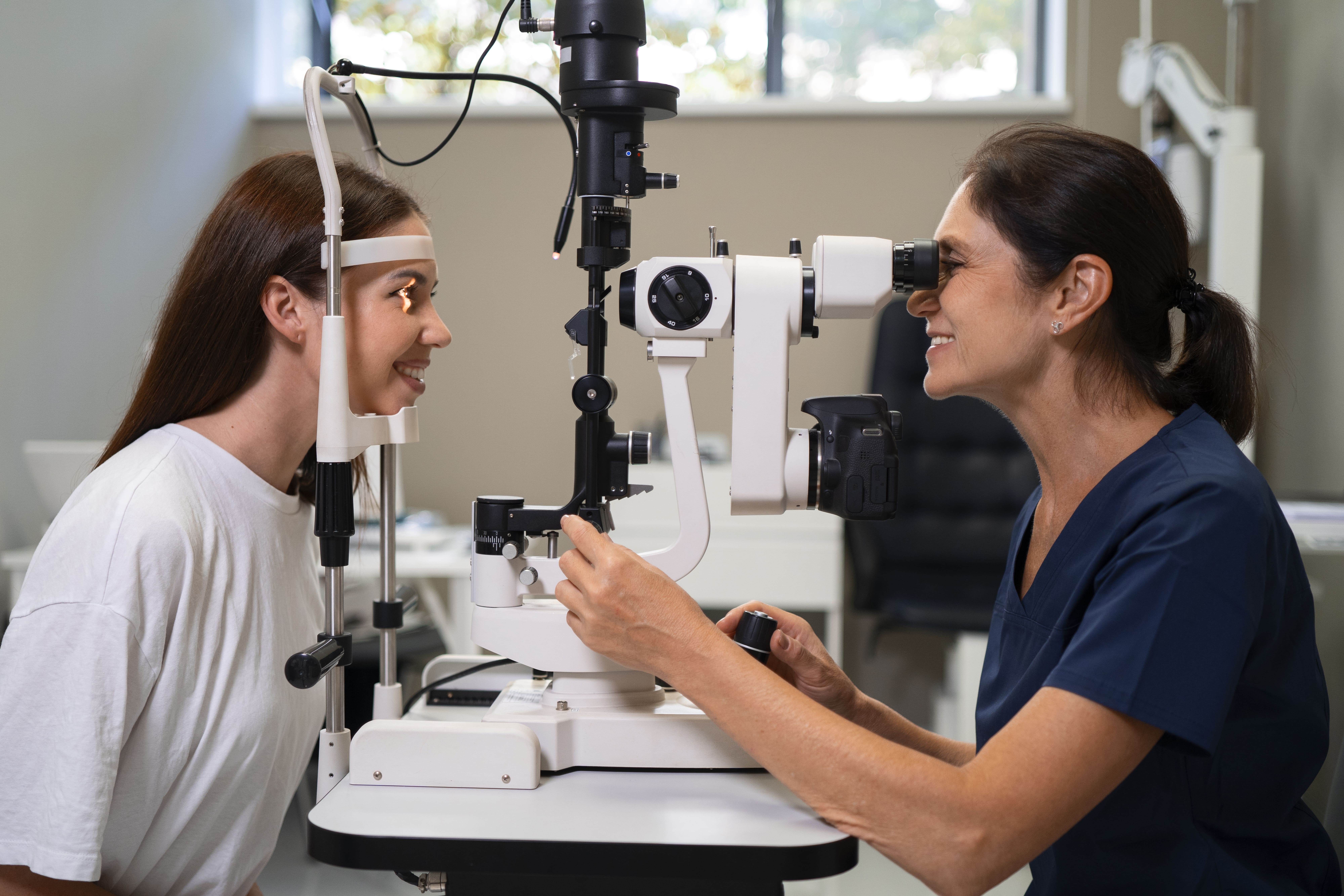
Advanced diagnostic tools allow clinicians to examine the anterior eye in great detail. A slit lamp is commonly used during eye examinations because it provides magnification and focused illumination that reveal fine structural details.
This level of clarity helps practitioners differentiate between various conditions and identify the precise cause of a patient’s symptoms. Improved diagnostic accuracy ensures that the correct treatment is provided and helps avoid unnecessary or ineffective therapies.
Evaluating Corneal Health and Surface Integrity
The cornea is the transparent outer layer of the eye and plays a vital role in focusing light. Because it is directly exposed to the environment, it is particularly susceptible to injury, infection, and dryness.
Detailed anterior eye observation allows clinicians to carefully evaluate the corneal surface for irregularities such as scratches, ulcers, or deposits. Even small abnormalities can affect visual clarity and may indicate the presence of underlying conditions.
Careful examination of the cornea also helps identify early signs of degenerative disorders or inflammatory responses. By detecting these issues early, clinicians can recommend treatments that help maintain the health and clarity of the cornea.
Monitoring Changes Over Time
Many eye conditions require regular monitoring to track their progression. Detailed anterior eye observation allows clinicians to compare findings from multiple examinations and detect even small changes in ocular structures.
This ongoing assessment helps determine whether a condition is stable, improving, or worsening. For example, monitoring changes in lens transparency can help determine the progression of cataracts, while observing corneal health can reveal improvements after treatment.
Consistent observation ensures that treatment strategies can be adjusted when necessary, providing patients with the most effective care.
Improving Patient Communication and Education
Detailed observation during eye examinations also benefits patient communication. When clinicians can clearly describe or demonstrate what they observe in the eye, patients gain a better understanding of their condition.
Explaining how a specific abnormality affects vision helps patients appreciate the importance of treatment and follow-up care. Visual explanations can make complex eye conditions easier for patients to understand.
Improved communication encourages patients to follow medical advice, attend regular checkups, and take proactive steps to maintain their eye health.
Supporting Modern Ophthalmic Practice
As eye care technology continues to evolve, detailed anterior eye observation has become a cornerstone of modern ophthalmology. Advanced diagnostic equipment provides improved magnification, lighting, and imaging capabilities that allow clinicians to examine the eye with greater precision than ever before.
These technological advancements help eye care professionals deliver higher standards of care by enabling more accurate diagnoses and effective treatment planning. They also allow clinics to perform thorough examinations efficiently, even in busy healthcare settings.
By integrating modern observation techniques into daily practice, clinicians can provide comprehensive eye care that focuses on both prevention and treatment.
Conclusion
Detailed anterior eye observation is essential in modern eye care because it enables clinicians to detect early signs of disease, evaluate ocular structures accurately, and monitor changes over time. The ability to carefully analyze the cornea, iris, lens, and surrounding tissues plays a vital role in maintaining overall eye health.
Advanced examination tools and techniques allow eye care professionals to observe these structures with remarkable clarity, improving diagnostic confidence and treatment outcomes. Early detection and accurate diagnosis not only protect vision but also help prevent complications that could affect long-term eye health.
As ophthalmic technology continues to advance, the importance of detailed anterior eye observation will remain central to delivering high-quality and effective eye care for patients worldwide.



 Winter Olympics LIVE Streams
 Android App
 About SPORTIVO Network

 English
 Arabic
 French
 Spanish
 Portuguese
 Deutsch
 Turkish
 Dutch
Dutch
 Italiano
 Russian
 Romaian
 Portuguese (Brazil)
 Greek
Greek