


 Android App
 About SPORTIVO Network
Is FSSAI Registration Mandatory for Home-Based Food Businesses?
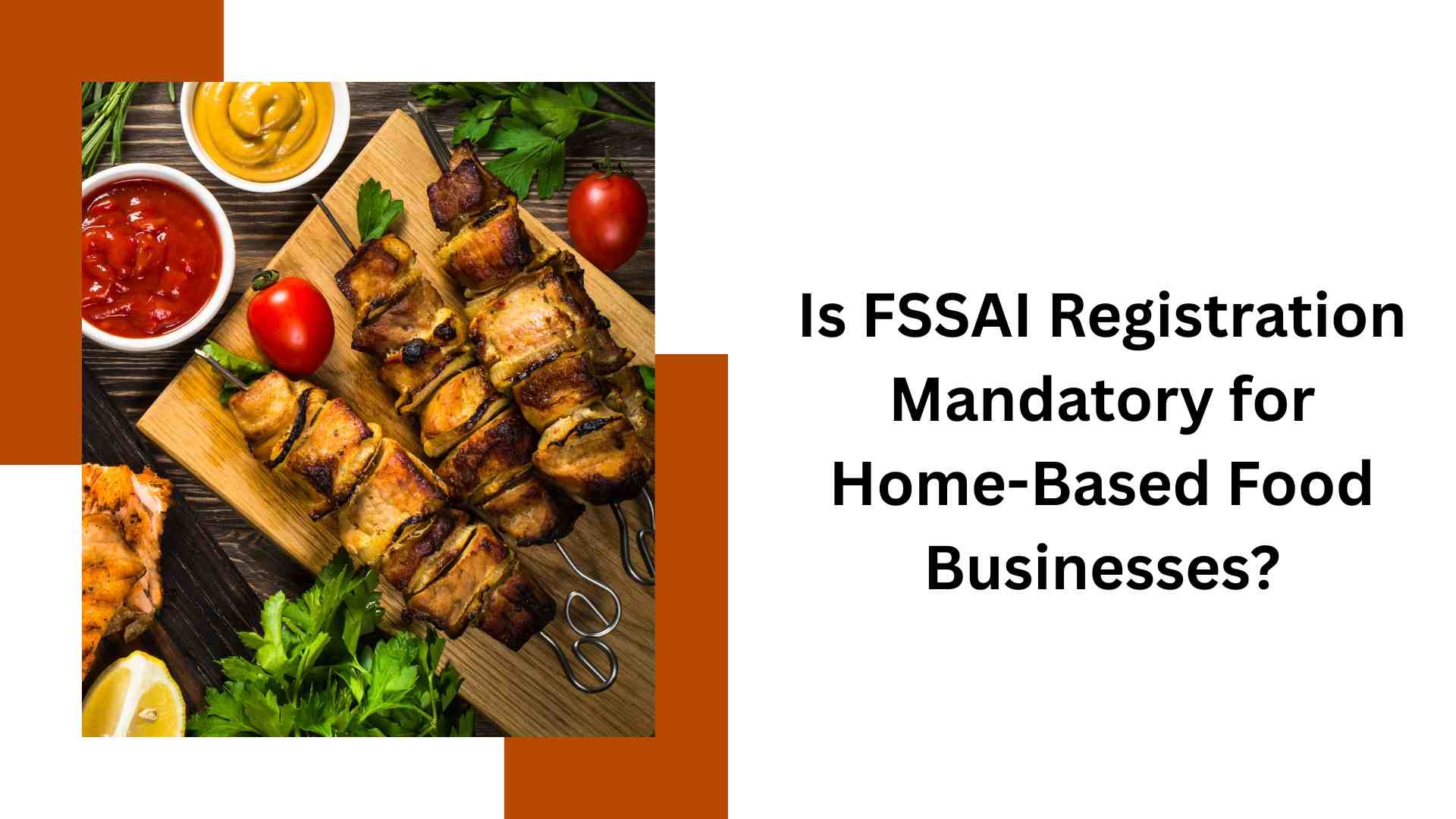
With the rise of entrepreneurship and digital platforms, home-based food businesses have become increasingly popular in India. Many individuals are turning their passion for cooking into profitable ventures by selling homemade food items, including baked goods, snacks, pickles, tiffin services, and speciality dishes. These businesses often start small but can grow significantly over time through social media marketing and online delivery platforms.
Despite operating from home, these food ventures remain part of the organised food sector and must comply with food safety regulations. In India, food safety is regulated by the Food Safety and Standards Authority of India (FSSAI), which functions under the Food Safety and Standards Act, 2006. This authority is responsible for ensuring that all food products sold to consumers are safe, hygienic, and meet quality standards.
Why is FSSAI Registration Mandatory?
FSSAI Registration is mandatory because it ensures that food businesses, regardless of size or location, adhere to basic hygiene and safety practices. Even home kitchens can pose risks if food is not prepared, stored, or handled properly.
By requiring registration, the government ensures that:
-
Food is prepared in clean and hygienic conditions
-
Proper storage and handling practices are followed
-
Consumers are protected from unsafe or contaminated food
-
Food businesses are accountable for the products they sell
This regulation helps maintain a uniform standard of food safety across the country.
Applicability to Home-Based Food Businesses
Many people assume that small-scale or home-based food businesses are exempt from licensing requirements. However, this is not the case. Any individual who prepares, packages, or sells food for commercial purposes is considered a Food Business Operator (FBO).
This includes:
-
Home bakers selling cakes, cookies, or desserts
-
Individuals running tiffin or meal delivery services
-
Sellers of homemade pickles, jams, or snacks
-
Home-based cloud kitchens
-
Food businesses operating through social media or messaging apps
All these businesses must obtain at least a Basic FSSAI Registration if their annual turnover is up to ₹12 lakh.
Types of FSSAI Registration for Home Businesses
The type of FSSAI registration required depends on the business's size and turnover.
Basic FSSAI Registration
Most home-based food businesses fall under this category. It is suitable for small businesses with limited production and annual turnover below ₹12 lakh.
The process is simple and involves minimal documentation.
State and Central Licenses
If a home-based business grows and its turnover exceeds ₹12 lakh, it must upgrade to a State License or Central License, depending on the scale of operations.
This ensures that growing businesses continue to meet higher standards of food safety and compliance.
Benefits of Mandatory FSSAI Registration
Making FSSAI registration mandatory for home-based food businesses provides several advantages.
Ensures Food Safety
Registration encourages entrepreneurs to follow hygiene standards and safe food handling practices, reducing the risk of contamination and foodborne illnesses.
Builds Customer Trust
Customers are more likely to purchase food from businesses that display a valid FSSAI registration number. It assures them that the food is prepared under regulated conditions
Legal Protection
Having an FSSAI registration protects business owners from legal penalties and allows them to operate within the law.
Supports Business Growth
Registered businesses can expand more easily, collaborate with online platforms, and reach a wider audience.
Consequences of Not Having FSSAI Registration
Operating a home-based food business without FSSAI registration can lead to serious consequences. Authorities may impose fines, issue warnings, or even shut down the business.
Additionally, a lack of registration can harm the business's reputation and reduce customer trust. Many online platforms and marketplaces also require FSSAI certification, limiting growth opportunities for unregistered businesses.
How to Apply for FSSAI Registration
Obtaining an FSSAI registration for a home-based food business is simple and can be completed online. It involves:
-
Filling out the application form on the FSSAI portal
-
Submitting identity and address proof
-
Providing details of the food business
-
Paying the applicable registration fee
Once approved, the applicant receives a 14-digit FSSAI registration number, which must be displayed on food packaging and promotional materials.
Promoting Responsible Food Practices
Mandatory FSSAI registration encourages home-based entrepreneurs to adopt responsible business practices. It ensures that food is prepared in a clean environment, ingredients are handled safely, and proper packaging methods are used.
Note: You can also Renew Food License Certificate
Conclusion
FSSAI registration is mandatory for home-based food businesses in India, regardless of their size or scale of operations. It ensures that all food products sold to consumers meet basic safety and hygiene standards, thereby protecting public health.
By obtaining an FSSAI registration, home-based food entrepreneurs can operate legally, build customer trust, and create opportunities for growth and expansion. It also reflects a commitment to quality and responsible food handling practices.

 Czech
Czech
 English
 Arabic
 French
 Spanish
 Portuguese
 Deutsch
 Turkish
 Italiano
 Russian
 Romaian
 Portuguese (Brazil)
 Greek
Greek