


 About SPORTIVO Network
How to install a Chemical Anchor Bolt step by step for strong fixing
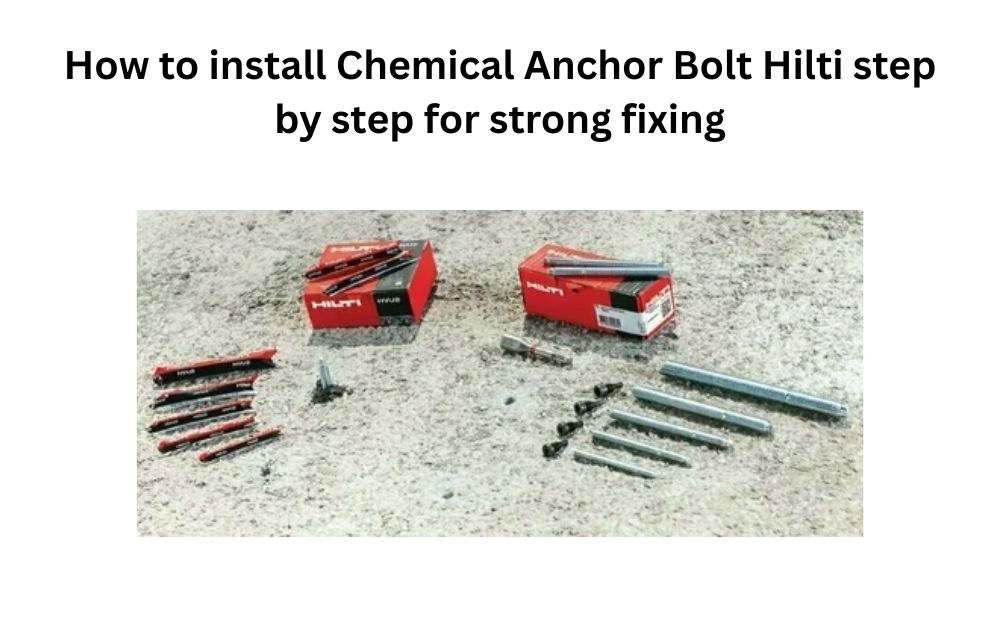
Introduction
In construction and industrial work, strong fixing is very important. When heavy loads need to be fixed on concrete or brick surfaces, normal bolts are not always enough. This is where Chemical Anchor Bolt becomes very useful. It gives high strength, long life, and better safety compared to traditional anchoring methods.
In this blog, you will learn everything about this type of bolt in simple English. We will explain how it works, where it is used, its benefits, types, installation steps, and more. This guide is written in an easy way so anyone can understand it.
What is a Chemical Anchor Bolt?
A chemical anchor bolt is a fixing system used to attach heavy items to concrete, brick, or stone. Instead of using mechanical expansion like normal anchors, it uses a special chemical resin.
This resin acts like a strong glue. It fills the hole and bonds the bolt tightly with the base material. Once it becomes hard, it creates a very strong and durable connection.
Because of this bonding process, the fixing becomes stronger and more reliable.
How Does It Work?
The working process is simple but very effective.
First, a hole is drilled into the surface. Then the hole is cleaned properly to remove dust. After that, chemical resin is injected into the hole. Finally, a threaded rod or bolt is inserted into the hole.
The resin spreads around the bolt and sticks to the walls of the hole. After some time, it becomes hard and holds the bolt firmly in place.
This method gives better strength because there is no stress on the surrounding material.
Main Components
A chemical anchor system has three main parts:
1. Resin
This is the most important part. It is a chemical material that bonds everything together. It can be polyester, epoxy, or vinyl ester.
2. Hardener
The hardener mixes with the resin and helps it become solid.
3. Threaded Rod or Bolt
This is the metal part that is fixed into the surface. It holds the load.
All these parts work together to create a strong fixing.
Types of Chemical Anchors
There are different types based on the resin used. Each type is made for different needs.
Polyester Resin
This is the most common type. It is easy to use and low cost. It is good for light to medium loads.
Epoxy Resin
This type gives very high strength. It is used for heavy loads and important structures.
Vinyl Ester Resin
This type is strong and also resists chemicals and heat. It is used in harsh environments.
Choosing the right type depends on your project and load requirement.
Where Are Chemical Anchor Bolts Used?
These bolts are used in many areas because of their strength and flexibility.
Construction Projects
They are used in buildings, bridges, and roads to fix steel structures.
Industrial Use
Factories use them to fix heavy machines to the floor.
Repair Work
They are very useful for repairing damaged concrete.
Electrical and Plumbing Work
Used to fix pipes, cable trays, and equipment.
Railings and Safety Systems
They help in fixing handrails, guardrails, and barriers.
Advantages of Using Chemical Anchor Bolts
There are many benefits of using this type of anchoring system.
High Strength
It provides strong bonding which can handle heavy loads easily.
No Expansion Stress
Unlike mechanical anchors, it does not create pressure inside the material. This reduces the risk of cracks.
Works in Cracked Concrete
It can be used even in damaged or cracked surfaces.
Flexible Installation
It can be installed in different positions like vertical, horizontal, or overhead.
Long Life
It is resistant to weather, chemicals, and moisture.
Step-by-Step Installation Process
Proper installation is very important to get the best results.
Step 1: Drill the Hole
Use a drilling machine to create a hole of the required size and depth.
Step 2: Clean the Hole
Remove all dust using a brush and air pump. This step is very important.
Step 3: Inject the Resin
Fill the hole with chemical resin using a special gun.
Step 4: Insert the Bolt
Slowly insert the threaded rod into the hole.
Step 5: Wait for Curing
Let the resin become hard. Do not apply load until it is fully set.
Following these steps correctly ensures strong fixing.
Important Tips for Better Results
- Always clean the hole properly
- Use the right size of drill and bolt
- Do not disturb the bolt during curing time
- Follow the manufacturer’s instructions
- Use safety gloves while handling chemicals
These small steps can make a big difference in performance.
Common Mistakes to Avoid
Many people make mistakes during installation. Avoid these to ensure safety.
Not Cleaning the Hole
Dust can reduce bonding strength.
Using Wrong Resin Type
Choosing the wrong type can lead to failure.
Applying Load Too Early
The resin needs time to become hard.
Incorrect Hole Size
A wrong size hole can reduce the strength.
Being careful during installation is very important.
Chemical Anchor Bolt vs Mechanical Anchor
Let’s understand the difference in simple terms.
| Feature | Chemical Anchor | Mechanical Anchor |
|---|---|---|
| Strength | Very High | Medium |
| Stress on Material | No | Yes |
| Use in Cracked Concrete | Yes | Limited |
| Installation | Needs time | Quick |
| Cost | Slightly higher | Lower |
Both have their uses, but chemical anchors are better for heavy-duty work.
Safety Considerations
Safety should always be a priority.
- Wear gloves and safety glasses
- Work in a well-ventilated area
- Avoid direct contact with resin
- Store chemicals properly
Following safety rules protects both workers and the structure.
Maintenance and Inspection
Even though these anchors are strong, regular checking is important.
- Inspect for cracks or damage
- Check if bolts are tight
- Look for signs of corrosion
Proper maintenance increases the life of the fixing.
Why Choose Chemical Anchoring?
Many industries prefer this method because it is reliable and long-lasting. It gives better results in difficult conditions where normal anchors fail.
If you need strong fixing for heavy loads or critical structures, this is one of the best options available.
Conclusion
A Chemical Anchor Bolt is a powerful solution for strong and safe fixing in construction and industrial work. It uses chemical bonding to provide better strength and durability compared to traditional methods.
From small repair jobs to large construction projects, it plays an important role in keeping structures safe and stable. By following proper installation steps and using the right type, you can get the best results.
For more insightful articles related to this topic, feel free to visit sportivo.network

 Czech
Czech
 Arabic
 French
 Spanish
 Portuguese
 Deutsch
 Turkish
 Dutch
Dutch
 Italiano
 Russian
 Romaian
 Portuguese (Brazil)
 Greek
Greek