


 Android App
 About SPORTIVO Network
The Volcanic Alchemy of Hawaii’s Most Coveted Bean
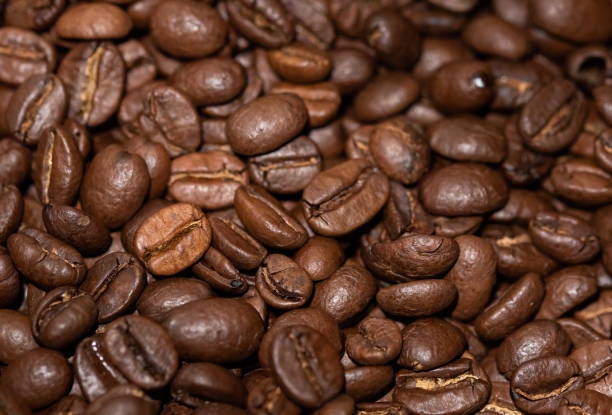
The slopes of Mauna Loa and Hualalai hold a secret that coffee enthusiasts have chased for over a century. This narrow strip of land, barely two miles wide and twenty miles long, possesses a microclimate found nowhere else on Earth. The combination of porous, mineral-rich volcanic soil, morning sunshine, and afternoon tropical rain creates a biological pressure cooker that forces coffee cherries to develop complex sugars and dense cellular structures. When people speak of high-elevation island coffee, they are really speaking about the delicate balance of nitrogen and potassium provided by the ancient cooled lava that supports these trees.
Understanding what makes this region special requires looking past the marketing and into the botany of the Typica variety. While most of the world’s mass-produced coffee relies on hardy but bitter Robusta or hybridized Arabica, the heritage trees in this specific district of the Big Island have remained largely untouched by industrial cross-breeding. This preservation of lineage ensures that every cup maintains a clean profile characterized by bright acidity and a silken mouthfeel. It is not merely a beverage; it is a geographic signature captured in a bean, representing a tradition of hand-picking and sun-drying that has vanished from most modern agricultural operations.
The sensory experience of a true island brew begins long before the first sip. The aroma is frequently described as floral, with hints of jasmine and toasted hazelnut, leading into a flavor profile that lacks the harsh bitterness found in lower-grade beans. Because the cherries are grown in such limited quantities, the processing methods remain artisanal. Farmers often utilize "wet-processing," where the fruit is removed from the bean immediately after picking, followed by a slow fermentation process that clarifies the natural flavors. This meticulous attention to detail is why the region remains a titan in the specialty coffee world despite its small geographical footprint.
The Geological Blueprint of the Kona Coffee Belt
The "Belt" is a unique agricultural phenomenon defined by its verticality. Ranging from 800 to 2,500 feet in elevation, the farms situated here benefit from a natural "umbrella" effect. Each morning, the intense Pacific sun warms the slopes, but by early afternoon, cloud cover rolls in from the ocean, providing a cooling period that slows the maturation of the coffee cherry. This slow growth is essential; a bean that matures slowly has more time to absorb nutrients and develop the nuanced flavor compounds that define a premium harvest.
The soil itself is perhaps the most critical component of this blueprint. Unlike the heavy clay found in many South American coffee regions, the ground here is composed of "clinker" lava—rock that is incredibly porous. This allows for exceptional drainage, ensuring that the roots of the trees never sit in stagnant water, which can lead to rot or a "muddy" taste in the final cup. Instead, the roots must reach deep into the volcanic substrate, pulling up a unique mineral profile that imparts a subtle saltiness and crisp finish to the brew.
Deciphering the Grade Standards and Classifications
Not all beans harvested on the Big Island are created equal, and the state of Hawaii maintains some of the strictest grading standards in the world to protect the integrity of the crop. The highest grade, Extra Fancy, consists of the largest, heaviest, and most moisture-dense beans. Following this are Fancy, Number 1, and Select. Each grade is determined by bean size, shape, and the number of defects allowed per sample. While the flavor profile remains consistent across these top tiers, the larger beans generally offer a more uniform roast, leading to a more balanced and predictable flavor extraction during the brewing process.
There is also the rare Peaberry, a natural mutation where only one round bean grows inside the cherry instead of two flat-sided beans. Many connoisseurs consider this the "champagne" of the crop because the single bean is thought to inherit all the nutrients intended for two. Beyond the size and shape, the grading process acts as a shield for the consumer. It ensures that when you invest in a premium bag, you are not receiving "off-grade" beans or "triage," which are typically reserved for industrial use or flavoring. Understanding these labels is the first step in ensuring an authentic tasting experience.
The Art of the Small Batch Craft Roast
The transition from a green, scentless seed to a mahogany coffee bean is a delicate chemical transformation known as the Maillard reaction. In this region, the tradition favors a medium roast, often called a "Full City" roast. This specific level of heat is chosen because it allows the natural oils to reach the surface without burning away the delicate floral and fruit notes inherent to the volcanic soil. If the roast is too light, the coffee may taste grassy or underdeveloped; if it is too dark, the unique island characteristics are masked by the flavor of the smoke and carbon.
Pure Kona coffee aficionados often look for roasters who process in small batches to maintain total control over the internal temperature of the drum. During the roast, the beans undergo "first crack," a physical popping sound indicating that moisture is escaping and sugars are caramelizing. A master roaster listens for this moment with the precision of a musician. By manipulating the airflow and heat during the final seconds of the roast, they can highlight specific notes—perhaps emphasizing a chocolatey finish or brightening the citrus-like acidity—depending on the specific farm’s harvest.
Environmental Stewardship in Island Viticulture
Modern farming on the slopes of the Big Island has evolved into a masterclass in sustainability. Because the terrain is often too steep for heavy machinery, the harvest remains a labor-intensive, human endeavor. This lack of mechanization is actually a benefit for the environment, as it prevents soil compaction and allows farmers to integrate coffee trees with native Hawaiian flora. Many orchards are now "shade-grown," meaning the coffee trees live beneath a canopy of macadamia nut, avocado, or citrus trees. This polyculture provides a habitat for local birds and beneficial insects, reducing the need for chemical interventions.
Water conservation is another pillar of the local agricultural philosophy. Many estates have moved toward ecological pulping systems that use significantly less water than traditional methods. The discarded fruit skins, or pulp, are often composted and returned to the soil as a natural fertilizer, completing a closed-loop system that honors the land. This commitment to the "Aina" (the land) is not just about ethics; it directly impacts the quality of the coffee. A healthy, biodiverse ecosystem produces a more resilient tree, which in turn produces a more complex and vibrant bean year after year.
Essential Brewing Techniques for Delicate Profiles
To truly appreciate a high-end island bean, one must move away from the "set it and forget it" mentality of standard drip machines. The goal is to maximize clarity while minimizing bitterness. The Pour-Over method, specifically using a ceramic or glass dripper, is often recommended. This technique allows the brewer to control the water temperature (ideally between 195°F and 205°F) and the pour rate. By slowly wetting the grounds, you allow for a "bloom"—the release of carbon dioxide—which opens up the cellular structure of the coffee for better extraction.
The French Press is another excellent option for those who prefer a fuller body and a more robust mouthfeel. Because the French Press uses a metal mesh filter rather than paper, the natural oils of the bean are preserved in the cup. This results in a "creamy" texture that beautifully complements the nutty undertones of the coffee. Regardless of the method, the most important factor is the grind. For a pour-over, a medium-fine grind resembling sea salt is best, while the French Press requires a coarse grind to prevent over-extraction and sediment. Always grind your beans immediately before brewing to ensure the volatile aromatics remain intact.
Cultivating Excellence from the Great Estates
Exploring the heights of the Kona district reveals hidden gems where tradition and passion intersect. On the slopes of Mount Hualalai, some of the most prestigious acreage is dedicated to producing award-winning harvests that have been recognized in international cupping competitions. These estates prioritize a "farm-to-cup" philosophy, overseeing every stage from the initial planting of the seedlings to the final vacuum-sealing of the roasted beans. The dedication found in these groves is evident in the consistency of the flavor, characterized by a smooth, lingering finish and a complete absence of the harsh aftertaste often associated with mass-market products.
Visitors to these high-altitude farms can witness the unique "Hoshidana" drying process, where beans are spread out on large wooden platforms with retractable roofs to bask in the Hawaiian sun. This slow, natural drying method is superior to mechanical kilns, as it allows the moisture to leave the bean at a pace that preserves the integrity of the essential oils. The result is a product that embodies the spirit of the islands—rich, warm, and exceptionally refined. Engaging with these dedicated producers allows enthusiasts to experience a level of quality that is simply unattainable through standard commercial channels.
Conclusion
The journey of the bean from the rugged volcanic slopes of Hawaii to a morning cup is a testament to the harmony between nature and human craftsmanship. By respecting the unique geology of the region and adhering to time-honored harvesting traditions, farmers are able to produce a beverage that stands alone in the global market. The distinct mineral profile and the careful management of the microclimate ensure that every harvest tells a story of the specific ridge and valley where it was grown.
When selecting a premium roast, the focus should always be on the purity of the source and the transparency of the processing. Avoiding blends and seeking out single-estate labels ensures that the delicate nuances of the volcanic soil are not diluted by inferior fillers. This commitment to quality not only supports the local agricultural community but also guarantees a superior sensory experience for the drinker. The hallmark of a great brew is its ability to balance acidity, body, and aroma into a singular, cohesive moment of enjoyment.

 Czech
Czech
 English
 French
 Spanish
 Portuguese
 Deutsch
 Turkish
 Dutch
Dutch
 Italiano
 Russian
 Romaian
 Portuguese (Brazil)
 Greek
Greek