• BARBERCHAIRPUMPS Salon Chair Hydraulic Pump Durable Performance Design
    In the professional beauty industry, equipment reliability and ergonomic design are essential for delivering high-quality services and maintaining customer satisfaction. A well-engineered Salon Chair Hydraulic Pump ensures smooth lifting, stable positioning, and long-term durability in daily salon operations, while barberchairpumps represents specialized manufacturing expertise focused on...
    Like
    1
    0 Commentarios 0 Acciones 221 Views 0 Vista previa
  • WWW.FOXSPORTS.COM
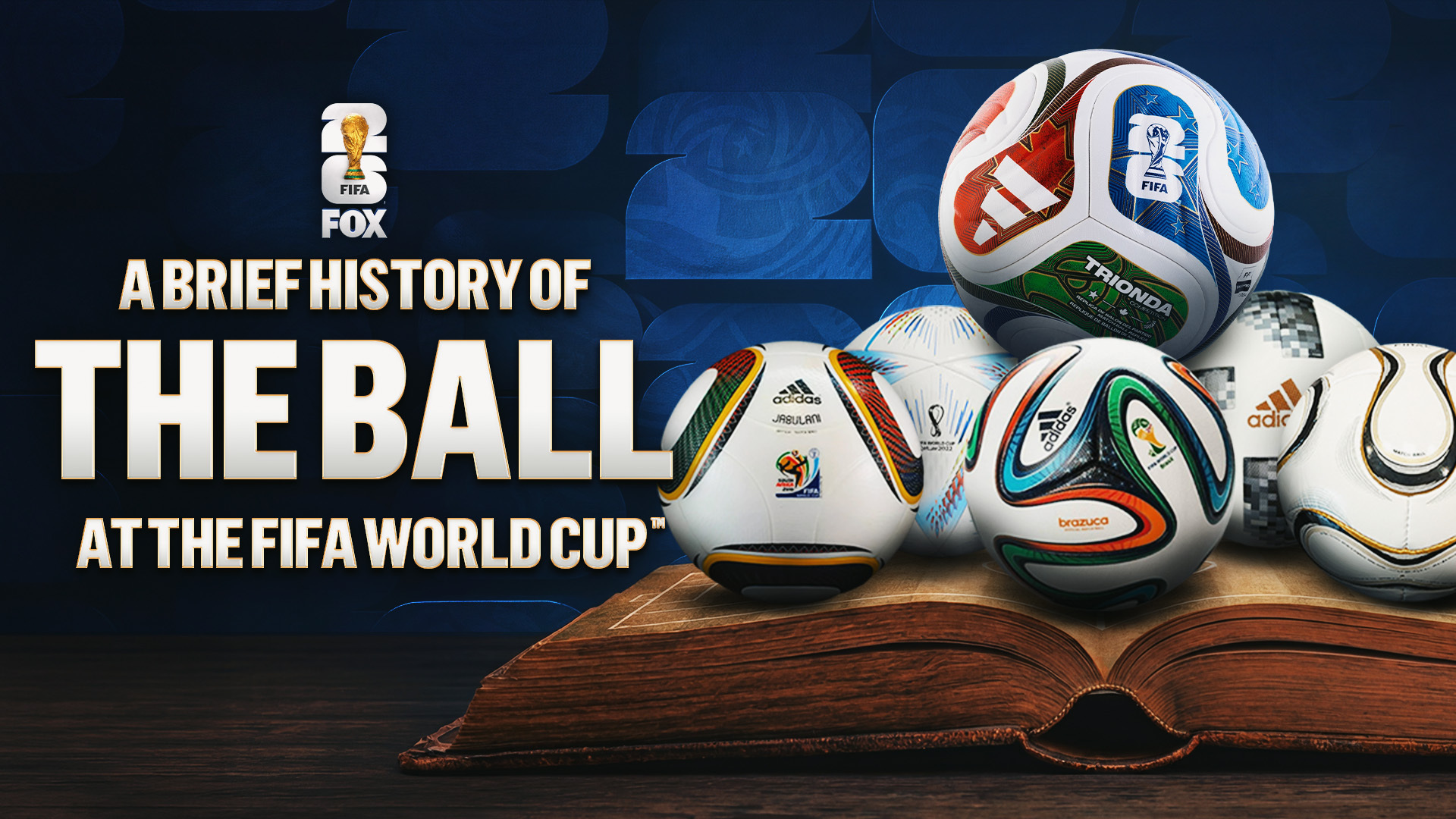
    Brief History Of The FIFA World Cup Ball: From 1930 To 2026's 'TRIONDA'
    The beauty of each World Cup is the attention to detail and how each edition weaves in the traditions and characteristics of the host nations. And that's especially true with the official match ball. Take for instance the recently released TRIONDA ball, which all eyes will be on next year at the 2026 FIFA World Cup, which will be hosted in three nations Canada, Mexico, and the United States. Since 1970, adidas has supplied the official match ball for the World Cup. Before then, the match balls were provided by manufacturers from the host countries. Get a low down on each ball from 1930. Let's take a deeper dive into each World Cup ball, including how they got their names and what made them stand out, starting with the earliest version at the inaugural tournament: 1930 Tiento/T-Model (Uruguay) The tournament had no official ball as multiple ones were used throughout the games. And the final itself between the neighboring rivals of Uruguay and Argentina included an argument over which ball to use. The compromise? Argentinas "Tiento" for the first half and Uruguays heavier "T-Model" for the second half. Argentina were 2-1 up before Uruguay scored three goals with their larger ball to win 4-2. 1934 Federale 102 (Italy) The Italian ECAS (Ente Centrale Approvvigionamento Sportivi, the government's bureau for sport supplies) produced the ball that had 12 hand-stitched leather panels with visible laces. It also marked FIFAs first standardized World Cup ball. The laces were made of softer material to make them lighter and more manageable, especially for headers. 1938 Allen (France) Produced by a French manufacturer, the Allen ball used 13 leather panels hand-stitched with cotton laces and a visible seam. It also had to be hand-stitched and hand-inflated to get the spherical finish. 1950 Superball Duplo T (Brazil) The return of the World Cup tournament after a 12-year absence due to World War II featured a ball that had 12 hand-stitched panels but introduced hidden laces with a rubber valve that could be inflated with a single hand pump. It was the first World Cup ball that did not require reinflation through an external seam during play. 1954 Swiss World Champion (Switzerland) This 18-panel ball made by Kost Sport removed laces entirely, featuring interlocking panels for a truer, more consistent shape. FIFA approved it as an official match standard, setting the stage for the modern, seamless football era to come. 1958 Top Star (Sweden) Selected from over 100 submissions, the Top Star (made by machine manufacturer Sydlader AB) was made of high-grade leather with 18 panels and no laces. Its consistent bounce and lighter feel allowed for faster, more precise play fitting the tournament that introduced Pel to the world. But France forward Just Fontaine is more synonymous with this ball, having scored 13 goals in six matches, a record for a single tournament that still stands. 1962 Crack (Chile) The Crack featured 18 panels with a deeper seam pattern to help aerodynamics. It was golden-brown in color and locally manufactured by Seor Custodio Zamora of San Miguel, but the inconsistent quality of each ball led to complaints. 1966 Slazenger Challenge 4-Star (England) Made by Slazenger, this 25-panel hand-stitched leather ball had no laces with a bright orange version used for visibility on television and for the final. It utilized a latex valve and was selected by tournament officials in a blind test before the tournament. 1970 Telstar (Mexico) Named after a U.S. satellite, this ball was the first that featured the now-iconic black-and-white "truncated icosahedron" panel design, which helped it stand out on televisions. The 32-panel Telstar combined leather with revolutionary visibility and became the most recognizable ball design globally. 1974 Telstar Durlast (West Germany) The Durlast featured a new coating to protect against water absorption. The design remained black-and-white for visibility on TV and marked a leap forward in ball technology from the tournament four years prior. 1978 Tango (Argentina) One of the most iconic balls in all sport, the Tango (named after the traditional dance in the host nation) introduced a bold, elegant design with interconnected triads, giving the illusion of 12 identical circles across 20 panels. It became adidas flagship look for decades and also helped improve the visibility of the ball for players. 1982 Tango Espaa (Spain) Building on 1978s Tango, the Espaa featured stronger waterproofing and polyurethane coating, enhancing performance in variable Spanish conditions. It was also the last ball to be fully leather before synthetic materials became the norm. 1986 Azteca (Mexico) The first fully synthetic World Cup ball, Azteca incorporated polyurethane for consistent touch, durability, and reduced water absorption. Its 32-panel design drew inspiration from Aztec murals and architecture, paying tribute to Mexicos heritage. 1990 Etrusco Unico (Italy) The first ball with an internal layer of black polyurethane foam for greater responsiveness and durability. Its design paid homage to Italys Etruscan history, featuring lions heads in classical motifs across its 20 triangular panels. 1994 Questra (United States) The Questra utilized a space-themed design that celebrated the quest for stardom by being inspired by NASAs Apollo missions and Americas space legacy. It also followed the "Tango" design that had been used in previous editions and utilized pentagonal designs. 1998 Tricolore (France) The first multicolored World Cup ball, Tricolore integrated Frances national blue, white, and red. It also symbolized modernity, national pride, and a willingness to depart from traditional monochrome styles. It was also the last of the "Tango" designs that had been in use for the World Cup since 1978. 2002 Fevernova (Japan/South Korea) Breaking away from previous patterns, Fevernova introduced a radical triangular flame design in gold and red that ws inspired by a Japanese "tomoe" symbol. It also included red streaks meant to resemble the ancient art of calligraphy. 2006 Teamgeist (Germany) The ball (German for "team spirit") revolutionized ball construction with just 14 curved panels, creating a rounder, more seamless surface for consistency. Its white design with black-and-gold accents fit the host nation's aesthetic. It was the first ball to have a different version used for the knockout stages. 2010 Jabulani (South Africa) The Jabulani ball had only eight thermally bonded panels but was noted for some of its aerodynamic quirks when in flight. Decorated with African-inspired designs with the name from a Zulu phrase of "be happy," it symbolized South Africas culture and remains among the most iconic. A special gold-accented version was introduced for the final in Johannesburg. 2014 Brazuca (Brazil) The Brazuca (the name was decided by a public vote) was made from six bonded panels and was inspired by Bahia lembrana bands, the traditional Brazilian good luck bracelets composed as colorful pieces of cloth and given as gifts. A special version was used in the final with the green, red and blue accents replaced by green, gold and black. 2018 Telstar 18 (Russia) A modern homage to the 1970 Telstar, it featured pixelated black graphics referencing Russias digital era. Equipped with a chip inside, it was the first smart World Cup ball. It was composed of six panels that provided for a smoother surface, with a differently designed "Mechta" version of the ball utilized during the knockout rounds. 2022 Al Rihla (Qatar) Meaning "The Journey" in Arabic, Al Rihla included 20 panels and featured a suspended chip inside the ball that tracked in-game data. Its design drew inspiration from Qatari culture and maritime traditions, with the bonded bails hearkening to the Dhow boats found in the Persian Gulf waters. It also was the first official ball produced entirely with water-based inks. 2026 - Trionda (Canada/Mexico/USA) The official match ball highlights and features the three nations Canada, Mexico, and the U.S. that will host the tournament. The colors on the ball's panels (red, green, and blue) coincide with the three host nations, while being accented with gold to represent the FIFA World Cup trophy. The ball's graphics also represent the three nations (a star for the U.S., an eagle for Mexico, and a maple leaf for Canada), which are used in embossed symbols across the surface. The name is an amalgamation of the term "tri-" (for the co-hosts) and the Spanish wordonda, meaning wave or vibe.

    0 Commentarios 0 Acciones 32 Views 0 Vista previa
  • Holders PSG Edge Bayern Munich To Reach UEFA Champions League Final
    Holders Paris Saint-Germain set up a Champions League final against Arsenal after a 1-1 second-leg draw at Bayern Munich secured a 6-5 aggregate victory.
    0 Commentarios 0 Acciones 37 Views 0 Vista previa
  • WWW.CBSSPORTS.COM
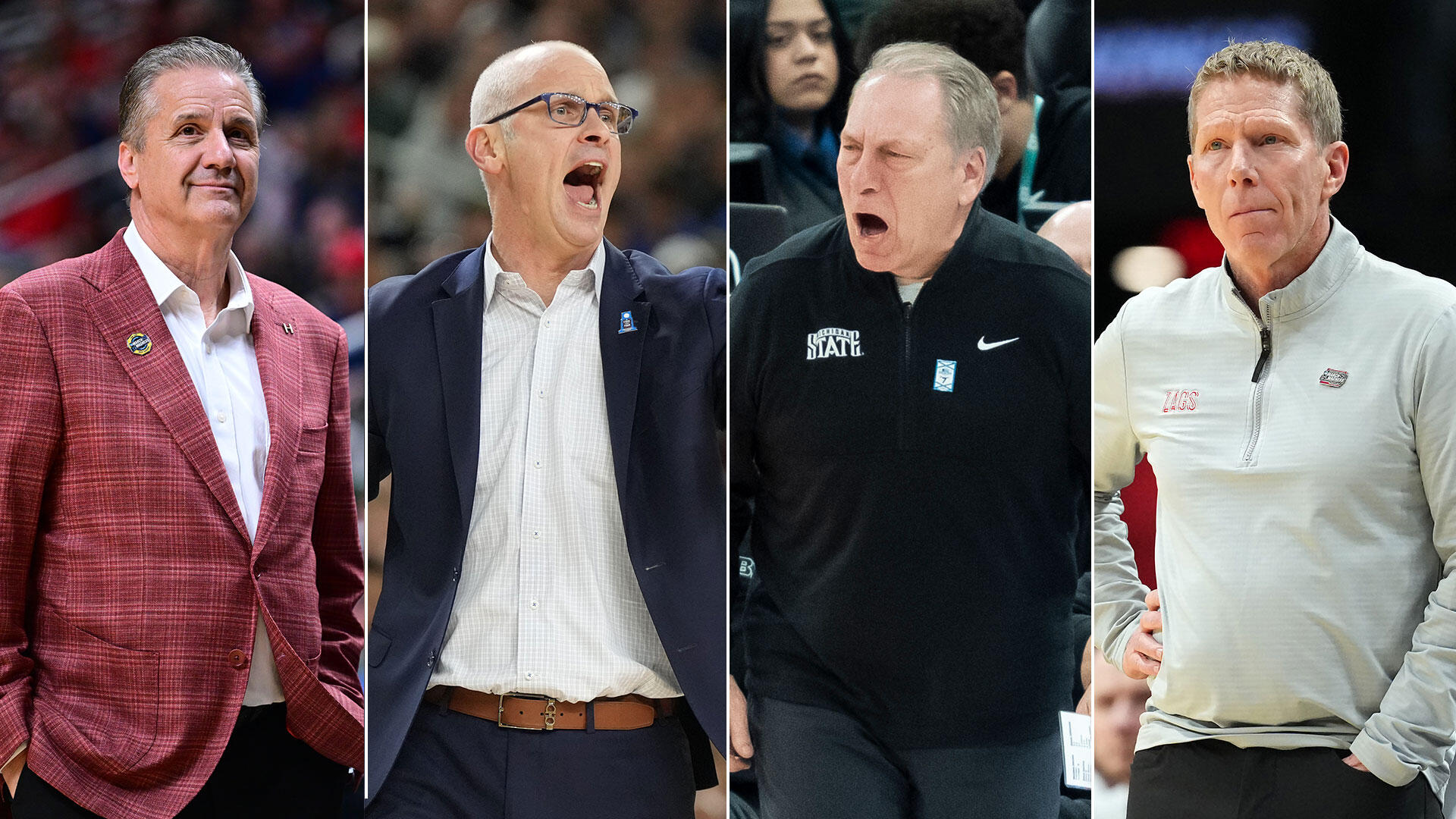
    With NCAA Tournament expansion imminent, some of the game's biggest coaches still aren't sold on the idea
    Dan Hurley, Tom Izzo, Mark Few, John Calipari and more: Some of the most prominent figures are skittish on changing March Madness
    0 Commentarios 0 Acciones 44 Views 0 Vista previa
  • SPORTS.YAHOO.COM
    Cantillo, bullpen combine for 4-hitter, Guardians' 3-1 win stops 3-game skid, Royals' 5-game spurt
    KANSAS CITY, Mo. (AP) Joey Cantillo and four relievers combined on a four-hitter, Chase DeLauter hit a go-ahead, two-run single and the Cleveland Guardians beat Kansas City 3-1 to stop their three-game skid and the Royals' five-game winning streak.Kansas City starter Cole Ragans left after three scoreless innings because of left triceps and elbow soreness.Cantillo (2-1) allowed one run, three hits and three walks in five innings. Matt Festa, Erik Sabrowski and Hunter Gaddis combined for three hitless innings and Cade Smith worked the around Vinnie Pasquantino's one-out single for his ninth save in 11 chances.The game ended after a 1-2 curveball to Isaac Collins on the inside corner that initially was ruled a ball by plate umpire Edwin Moscoso. Catcher Austin Hedges challenged and the ABS changed the decision to a called third strike. Six of eight challenges in the game were successful.Salvador Perez put Kansas City ahead with a third-inning sacrifice fly that scored Bobby Witt Jr. but DeLauter hit a two-run single in the fifth off Luinder Avila (0-2). David Fry added a run-scoring groundout in the eighth.Cleveland went 1 for 10 with runners in scoring position.Up NextGuardians RHP Slade Cecconi (1-4, 6.56 ERA) against Royals RHP Seth Lugo (1-1, 2.68) start Thursday's finale of the four-game series.___AP MLB: https://apnews.com/hub/mlb
    0 Commentarios 0 Acciones 37 Views 0 Vista previa
  • Radiofrequency Ablation Systems Market: Insights, Key Players, and Growth Analysis
    Radiofrequency Ablation Systems Market Summary: According to the latest report published by Data Bridge Market Research, the Radiofrequency Ablation Systems Market  CAGR Value The global radiofrequency ablation systems market size was valued at USD 3.65 billion in 2024 and is projected to reach USD 6.60 billion by 2032, with a CAGR of 7.69% during the forecast period of 2025 to...
    0 Commentarios 0 Acciones 86 Views 0 Vista previa
  • Reagent Grade Gases Market Overview: Key Drivers and Challenges
    Reagent Grade Gases Market Summary: According to the latest report published by Data Bridge Market Research, the Reagent Grade Gases Market  CAGR Value The global reagent grade gases market size was valued at USD 3.69 billion in 2024 and is expected to reach USD 5.66 billion by 2032, at a CAGR of 5.50% during the forecast period A top notch Reagent...
    0 Commentarios 0 Acciones 77 Views 0 Vista previa
  • The Evolution of the More Electric Aircraft Market
    The transition toward more electric aircraft is revolutionizing aviation by replacing traditional hydraulic systems with lightweight electrical alternatives to enhance fuel efficiency. This shift is driven by global sustainability mandates and the need for reduced operational costs across commercial and military sectors. As power density and battery technologies improve, the industry is moving closer to achieving high-performance, low-emission flight.
    Reference - https://www.marketresearchfuture.com/reports/more-electric-aircraft-market-1245
    The Evolution of the More Electric Aircraft Market The transition toward more electric aircraft is revolutionizing aviation by replacing traditional hydraulic systems with lightweight electrical alternatives to enhance fuel efficiency. This shift is driven by global sustainability mandates and the need for reduced operational costs across commercial and military sectors. As power density and battery technologies improve, the industry is moving closer to achieving high-performance, low-emission flight. Reference - https://www.marketresearchfuture.com/reports/more-electric-aircraft-market-1245
    WWW.MARKETRESEARCHFUTURE.COM
    More Electric Aircraft Market Share, Growth | Forecast 2035
    More Electric Aircraft Market Size To Reach At USD 10.61 Billion By 2030. Key drivers include advancements in battery technology and increased demand for electric aircraft.
    0 Commentarios 0 Acciones 179 Views 0 Vista previa
  • WWW.FOXSPORTS.COM
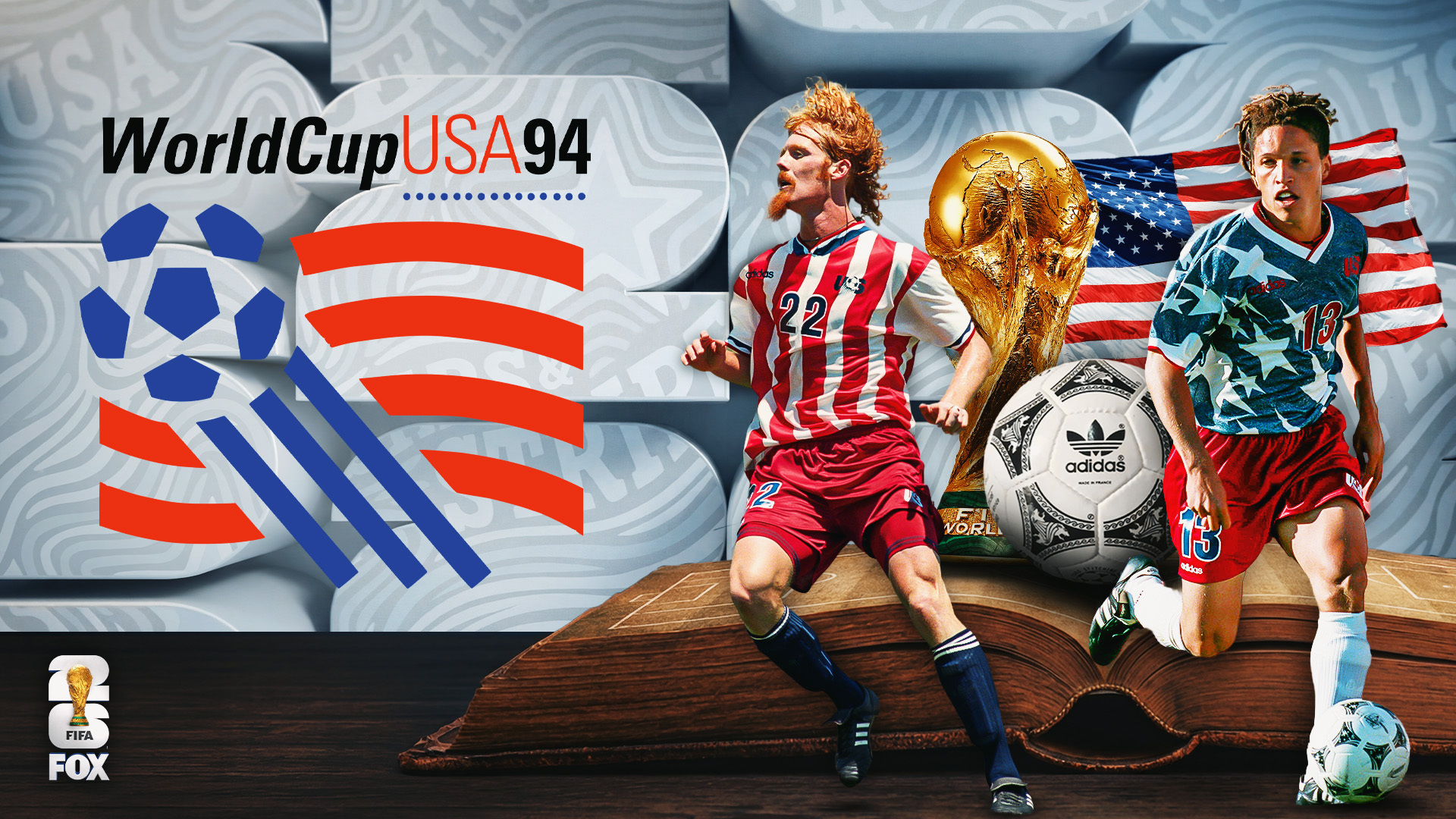
    Brief History Of The 1994 World Cup In The United States
    In 1994, the United States proved global critics wrong as hosts of the World Cup. Skeptics in Europe and South America argued that a country without a top-tier professional league, paired with a population that supposedly didn't "understand" the game, was a questionable choice for the worlds biggest sporting event. But what unfolded over the course of the summer was a memorable tournament witnessed by massive crowds at stadiums that were known more for the other kind of football. American soccer had its long-awaited defining moment. Let's take a look back on the summer of soccer took over the United States. How did the USA perform in the 1994 World Cup? If you remember or have seen clips of the U.S. men's national team at the 1994 World Cup, a couple of things stood out. One was the amazing hairstyles. You had Alexi Lalas. Cobi Jones. Marcelo Balboa. Tony Meola. All American soccer icons rocking such a unique blend of looks. Building on its appearance at the 1990 World Cup in Italy, in which it went winless in three games, the USA wanted to ensure that it would make a better impression as hosts. The United States men's national team opened the group stage againstSwitzerland at the Pontiac Silverdome then home to the NFL's Detroit Lions on a temporary grass pitch. The first match in World Cup history to be played indoors, the stadium had been designed to keep the winter weather out and was not equipped with air conditioning. USA midfielder Thomas Dooley later called it "the worst place I have ever played at." But it was thanks to a wonder-goal against the Swiss by the USA star Eric Wynalda that made the game memorable, even if the game ended in a 1-1 draw. After splitting points in the opener against Switzerland, the U.S. stunned a heavily favored Colombia team in a 21 victory at the Rose Bowl. But that followed a 1-0 loss in the same stadium to group winners Romania, thus relegating the U.S. to a third-place finish in the group and a Round of 16 date with Brazil. On a sunny July 4 afternoon, the USA took on mighty Brazil at Stanford Stadium in Palo Alto. A rough and tumble match that saw the Brazilians play part of the match a man down due to a red card, the USA couldn't break down the more talented South American squad. Brazil ended the Americans' dream with a 10 victory. Who won the 1994 World Cup? Brazil went on to lift the countrys fourth World Cup by defeating Italy, breaking a 24-year drought and its first championship since Pel last lifted his third and final trophy of his illustrious career in 1970. Brazil were led by legendary strikers Romario and Bebeto, who finished with a combined eight goals. It was Bebeto who scored the game-winner against the USA in the Round of 16. A quarterfinal win over the Dutch then set up a semifinal victory over Sweden, in which Romario scored the decider. Despite the historic setting at the Rose Bowl, the final itself had relatively few memorable moments. After 120 minutes of scoreless play, it became the first World Cup final to be decided on penalties. If there was a lasting image of the final, it would be Italy star Roberto Baggio sailing over the crossbar his penalty attempt over the crossbar and into the crowd. Heartbreak for the Italys, but an elusive fourth title for Brazil. What were some of the 1994 World Cup tournament's top moments? The tournament provided its fair share of legendary players. It was the last tournament where we saw players like Diego Maradona, who had helped Argentina win it all in 1986, and Germany icon Jrgen Klinsmann, who led his country to the 1990 title. But Maradona's abrupt exit from the World Cup would prove to be one of the most shocking moments in World Cup history. After one final iconic goal and a wild-eyed celebration against Greece, he was sent home in disgrace after failing a drug test. Just days after Maradonas exit, Russias Oleg Salenko etched his name into the record books in a way no one saw coming. In a group stage match against Cameroon at Stanford Stadium, Salenko scored a record five goals in a single game. To this day, he remains the only player in World Cup history to achieve that feat in one match. Ironically, despite this historic feat, Russia was eliminated in the opening round. Who won the 1994 World Cup Golden Ball? The Golden Ball is awarded to the tournament's best player, and Brazil's Romario was certainly a deserving one. Scoring five goals throughout the tournament, he made his mark by scoring in each of the group-stage matches and then two more during the knockout rounds. He also assisted Bebeto on the sole goal of the 1-0 win over the USA in the Round of 16. Who won the Golden Boot? Who won the Golden Glove? The 1994 tournament remains the only time the Golden Boot award, which is given to the top goalscorers, was shared by two players: Russia's Oleg Salenko and Bulgaria's Hristo Stoichkov. Both players finished the tournament with six goals each. Salenko made history by scoring a record five goals in a single match against Cameroon, while adding another against Sweden. Salenkos record-setting day did go a long way toward him becoming the only player in World Cup history to win the Golden Boot despite only participating in the first round. Not bad for a guy who played in four fewer matches than Stoichkov. Stoichkovs brilliance led Bulgaria on a fairy-tale run to the semifinals, highlighted by a stunning free-kick that helped eliminate the defending champions Germany. He started the tourney with two penalties against Greece and also scored against Mexico in the Round of 16. Belgian goalkeeper Michel Preud'homme took home the inaugural Golden Glove award (then known as the Lev Yashin Award) at the 1994 FIFA World Cup in the USA. Even though the Belgians only made it to the Round of 16, Preud'homme kept clean sheets against Morocco and the Netherlands. He allowed one against Saudi Arabia before his team bowed out 3-2 to the Germans. What was the legacy of the 1994 World Cup? The 1994 World Cup changed U.S. sports culture and proved soccer could draw large crowds in the land of the Super Bowl. It turned a "questionable choice" into the highest attended tournament in FIFA history, proving that the United States was ready to define the game on its own terms. Before the tournament, skeptics predicted empty stadiums, cultural indifference and general confusion. Instead, 3.6 million spectators filled venues from Los Angeles to New York, still the alltime World Cup attendance record. The domestic popularity of the tournament led to the birth of Major League Soccer, a league that still stands today, including 30 professional soccer teams, across 25 American and three Canadian cities. MLS provided the U.S. Soccer Federation with a much deeper talent pool than what was available over 30 years ago. As the United States prepares to co-host the 2026 World Cup, it does so in a much different position than it did over 30 years ago. 2026 FIFA World Cup: How To Watch The World Cup will run from June 11July 19, 2026. Spread across three countries, the tournament will culminate with the final on July 19 at New York New Jersey Stadium in East Rutherford, New Jersey. All 104 tournament matches will air live across FOX (70) and FS1 (34) with every match streaming live and on-demand within both the FOX One and the FOX Sports apps. A record 40 matches, more than one-third of the tournament, will air in prime time across FOX (21) and FS1 (19).
    0 Commentarios 0 Acciones 53 Views 0 Vista previa
  • Ishan Kishan Rubs Salt Into Punjab Kings' Wounds With Cheeky 'Catch' Social Media Post
    Sunrisers Hyderabad wicket-keeper batter Ishan Kishan took a cheeky jibe at Punjab Kings after his team's 33-run win in their IPL 2026 encounter.
    0 Commentarios 0 Acciones 57 Views 0 Vista previa