• WWW.FOXSPORTS.COM.AU
    Pressure is all on Mavs: Fever ready to rebound in do-or-die netball final
    It was less than a month ago that the Melbourne Mavericks travelled to Perth and made history with their first-ever win at RAC Arena.
    0 التعليقات 0 المشاركات 15 مشاهدة 0 معاينة
  • WWW.DAILYMAIL.COM
    Real Madrid prepare their move for Chelsea's Enzo Fernandez: WINDOW WATCH
    The transfer window is now open until September 1 and it's sure to be a busy period with clubs looking to make big signings ahead of next season. Here are today's latest developments...
    0 التعليقات 0 المشاركات 17 مشاهدة 0 معاينة
  • WWW.KSAT.COM
    FIFA hydration breaks have sparked criticism from different groups. But what do they actually do?
    For the first time in World Cup history, FIFA is mandating all soccer players take hydration breaks to protect them from the threats of extreme heat. But the new rule has sparked criticism from two very different groups. Some experts have warned that this summer's World Cup co-hosted by the U.S., Mexico and Canada could be the hottest in the tournament's history. In response to concerns about extreme heat, FIFA implemented three-minute hydration breaks midway through each half regardless of temperatures. But some critics say they're interrupting the game's flow and give coaches a chance to shift momentum in their teams favor, while some scientists have said the breaks are too short to make a significant impact on cooling and rehydration when conditions are sizzling. When we look at the three minute hydration breaks, we're really looking at this as a way to mitigate anything that could potentially lead to an incident or an emergency, said Joshua L. DeVincenzo, assistant director of applied research services at Columbia Universitys National Center for Disaster Preparedness. Here's a look at the heat risks players face and what the hydration breaks can do: FIFA's mandatory breaks, regardless of temperaturesThis World Cup is the first to implement mandatory three-minute cooling breaks midway through each half, regardless of temperatures or whether stadiums are enclosed and/or air conditioned. The governing body said it was to ensure equal conditions for all teams, in all matches, and the rules draw upon the experiences of past tournaments, including the FIFA Club World Cup in the U.S. last summer where temperatures soared into the 90s F (mid-30s C) and above in many areas.Some coaches said the breaks make sense when temperatures are extreme, but they questioned whether they were necessary at every match. Even highly-trained, elite athletes can get heat stressAthletes pushing themselves physically in hot and humid conditions risk getting what's called exertional heat illness. It happens when the bodys temperature gets too hot and is accompanied by significant strain on the heart, nerves, muscles and central nervous systems. Common symptoms include muscle cramps, extreme fatigue, impaired performance, headache, irritability, nausea, dizziness, cramping and dehydration.When internal body temperature exceeds 105 F (40.5 C), athletes might feel confused, aggressive or lose consciousness, said Yuri Hosokawa, associate professor at the Faculty of Sport Sciences in Japans Waseda University, in an email, all of which are characteristic signs of exertional heat stroke and require immediate medical attention. She co-signed a letter to FIFA in May urging stricter heat guidelines for player safety, including that cooling breaks be at least six minutes. Exertional heat stroke while playing a sport is among the leading causes of death in athletes.Dehydration also exacerbates the risk. Athletes in the heat can sweat 1 to 2 liters (50 to 67 ounces) an hour, and most drink less liquids than they expel. Losing as little as 2% of one's body weight to dehydration can impair physical performance. Ryan Calsbeek, professor of biological sciences at Dartmouth College, said the human body performs better when its warmer, but theres a critical threshold above which that improvement in performance not only stops, but precipitously drops off.Your body starts to really fall apart, you lose the ability to cool off fast enough, he said. And the physiological mechanisms just break down. That happens when the wet bulb globe temperature, which includes temperature, humidity, cloud cover and wind, reads above about 95 F (35 C), though some people will be more heat tolerant than others.The increased confusion from extreme heat could impact an athletes ability to make strategic decisions, he said.Its these marginal differences in performance that I think can determine the outcome of a match, Calsbeek said. If you have individuals that do better in extreme conditions, whether its extreme heat or high altitude or whatever the case may be, those small differences could play a critical, pivotal role in determining the outcome.Hydration breaks should be longer, some experts sayThe three-minute mandatory hydration breaks are meant to protect players, and referees, from extreme heat illness and help them maintain their physical performance. In that time, players can cool off and replenish lost water and salt from sweating, but how effective it is depends on how aggressive the cooling methods are. That could mean putting wet, cold towels on the exposed parts of a player's body, such as the neck, head, back and arms. If done well, that could reduce their body temperature by about 0.22 F (0.12 C) per minute, said Douglas Casa, CEO of the University of Connecticuts Korey Stringer Institute who also co-signed the letter to FIFA. Some people can tolerate a little more fluids comfortably and then do intense exercise. Some people cant because it sloshes around in their stomach and they dont feel super comfortable, so they might not drink as much in such a short period of time, he added. The time, he said, dictates the volume of impact, whether from fluid or cooling, and thats why were suggesting doing something like five or six minutes, because it just makes such a big impact when youre dealing with a change of that magnitude. But how much time a player needs to recover also varies. Depending on your body, you might need more or less time. But those kinds of breaks are crucial so that your body isnt just being forced to keep trying to play catch up... to keep trying to cool you down without any kind of rest or a break, said Bharat Venkat, director of the Heat Lab at the University of California, Los Angeles. As our planet gets hotter, mandating hydration breaks and changing where, when and how sports are played will be necessary. No matter what sport you play, theres going to be adjustments that have to be made in the face of climate change, he said.___The Associated Press receives support from the Walton Family Foundation for coverage of water and environmental policy. The AP is solely responsible for all content. For all of APs environmental coverage, visit https://apnews.com/hub/climate-and-environment

    0 التعليقات 0 المشاركات 23 مشاهدة 0 معاينة
  • WWW.CLICK2HOUSTON.COM
    FIFA hydration breaks have sparked criticism from different groups. But what do they actually do?
    For the first time in World Cup history, FIFA is mandating all soccer players take hydration breaks to protect them from the threats of extreme heat. But the new rule has sparked criticism from two very different groups. Some experts have warned that this summer's World Cup co-hosted by the U.S., Mexico and Canada could be the hottest in the tournament's history. In response to concerns about extreme heat, FIFA implemented three-minute hydration breaks midway through each half regardless of temperatures. But some critics say they're interrupting the game's flow and give coaches a chance to shift momentum in their teams favor, while some scientists have said the breaks are too short to make a significant impact on cooling and rehydration when conditions are sizzling. When we look at the three minute hydration breaks, we're really looking at this as a way to mitigate anything that could potentially lead to an incident or an emergency, said Joshua L. DeVincenzo, assistant director of applied research services at Columbia Universitys National Center for Disaster Preparedness. Here's a look at the heat risks players face and what the hydration breaks can do: FIFA's mandatory breaks, regardless of temperaturesThis World Cup is the first to implement mandatory three-minute cooling breaks midway through each half, regardless of temperatures or whether stadiums are enclosed and/or air conditioned. The governing body said it was to ensure equal conditions for all teams, in all matches, and the rules draw upon the experiences of past tournaments, including the FIFA Club World Cup in the U.S. last summer where temperatures soared into the 90s F (mid-30s C) and above in many areas.Some coaches said the breaks make sense when temperatures are extreme, but they questioned whether they were necessary at every match. Even highly-trained, elite athletes can get heat stressAthletes pushing themselves physically in hot and humid conditions risk getting what's called exertional heat illness. It happens when the bodys temperature gets too hot and is accompanied by significant strain on the heart, nerves, muscles and central nervous systems. Common symptoms include muscle cramps, extreme fatigue, impaired performance, headache, irritability, nausea, dizziness, cramping and dehydration.When internal body temperature exceeds 105 F (40.5 C), athletes might feel confused, aggressive or lose consciousness, said Yuri Hosokawa, associate professor at the Faculty of Sport Sciences in Japans Waseda University, in an email, all of which are characteristic signs of exertional heat stroke and require immediate medical attention. She co-signed a letter to FIFA in May urging stricter heat guidelines for player safety, including that cooling breaks be at least six minutes. Exertional heat stroke while playing a sport is among the leading causes of death in athletes.Dehydration also exacerbates the risk. Athletes in the heat can sweat 1 to 2 liters (50 to 67 ounces) an hour, and most drink less liquids than they expel. Losing as little as 2% of one's body weight to dehydration can impair physical performance. Ryan Calsbeek, professor of biological sciences at Dartmouth College, said the human body performs better when its warmer, but theres a critical threshold above which that improvement in performance not only stops, but precipitously drops off.Your body starts to really fall apart, you lose the ability to cool off fast enough, he said. And the physiological mechanisms just break down. That happens when the wet bulb globe temperature, which includes temperature, humidity, cloud cover and wind, reads above about 95 F (35 C), though some people will be more heat tolerant than others.The increased confusion from extreme heat could impact an athletes ability to make strategic decisions, he said.Its these marginal differences in performance that I think can determine the outcome of a match, Calsbeek said. If you have individuals that do better in extreme conditions, whether its extreme heat or high altitude or whatever the case may be, those small differences could play a critical, pivotal role in determining the outcome.Hydration breaks should be longer, some experts sayThe three-minute mandatory hydration breaks are meant to protect players, and referees, from extreme heat illness and help them maintain their physical performance. In that time, players can cool off and replenish lost water and salt from sweating, but how effective it is depends on how aggressive the cooling methods are. That could mean putting wet, cold towels on the exposed parts of a player's body, such as the neck, head, back and arms. If done well, that could reduce their body temperature by about 0.22 F (0.12 C) per minute, said Douglas Casa, CEO of the University of Connecticuts Korey Stringer Institute who also co-signed the letter to FIFA. Some people can tolerate a little more fluids comfortably and then do intense exercise. Some people cant because it sloshes around in their stomach and they dont feel super comfortable, so they might not drink as much in such a short period of time, he added. The time, he said, dictates the volume of impact, whether from fluid or cooling, and thats why were suggesting doing something like five or six minutes, because it just makes such a big impact when youre dealing with a change of that magnitude. But how much time a player needs to recover also varies. Depending on your body, you might need more or less time. But those kinds of breaks are crucial so that your body isnt just being forced to keep trying to play catch up... to keep trying to cool you down without any kind of rest or a break, said Bharat Venkat, director of the Heat Lab at the University of California, Los Angeles. As our planet gets hotter, mandating hydration breaks and changing where, when and how sports are played will be necessary. No matter what sport you play, theres going to be adjustments that have to be made in the face of climate change, he said.___The Associated Press receives support from the Walton Family Foundation for coverage of water and environmental policy. The AP is solely responsible for all content. For all of APs environmental coverage, visit https://apnews.com/hub/climate-and-environment

    0 التعليقات 0 المشاركات 23 مشاهدة 0 معاينة
  • WWW.GBNEWS.COM
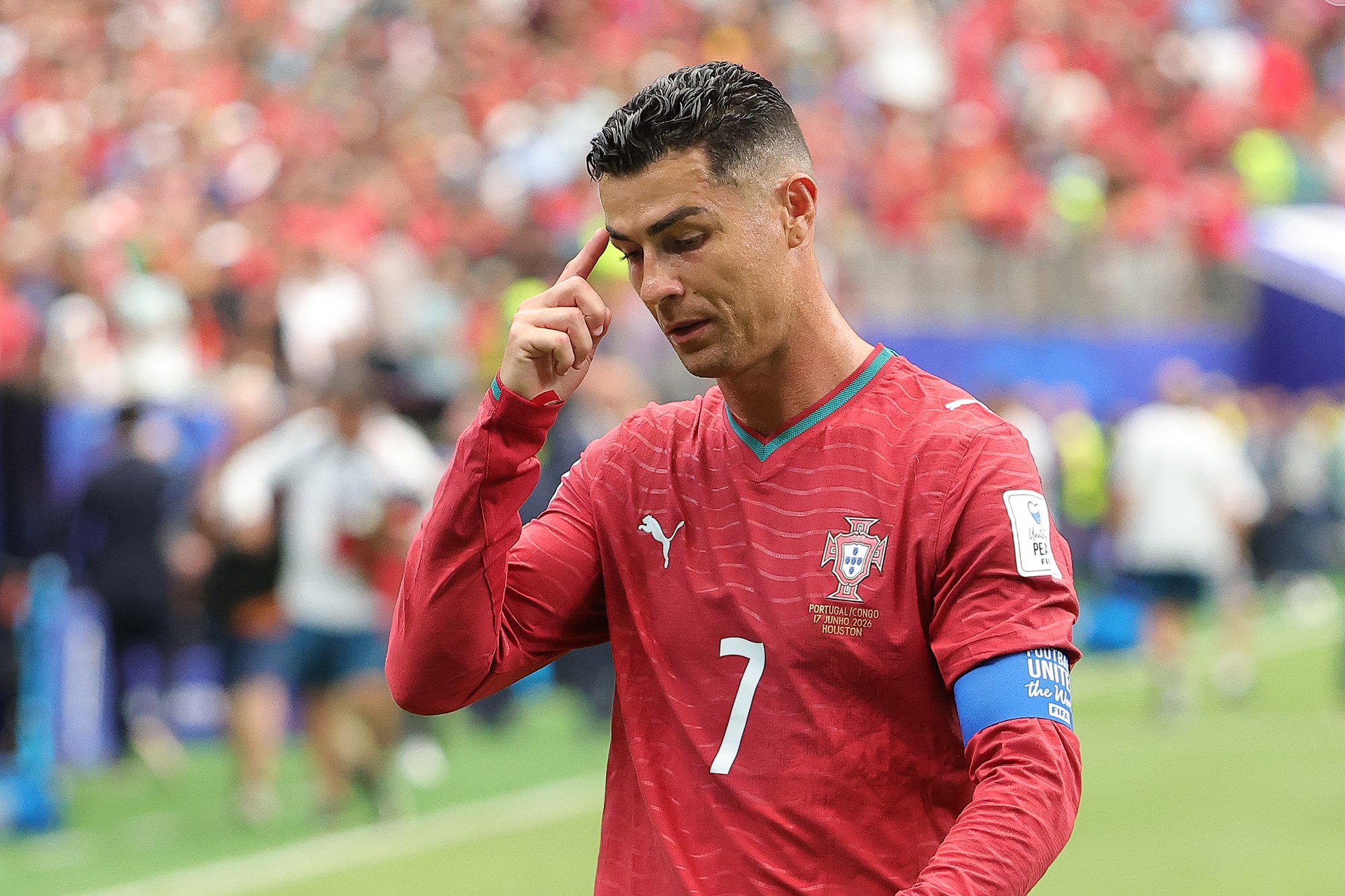
    Cristiano Ronaldo was finished at the last World Cup and Portugal have bowed to him for too long
    It was patently clear three-and-a-half years ago, at the Qatar World Cup, that Cristiano Ronaldo was a faded force.Having opted to burn his bridges at Manchester United, infamously criticising Erik ten Hag, the Glazers and even staff at Old Trafford, the forward felt his swagger would lead to more success.Ronaldo was, as ever, Portugal's main man at that tournament. Though a decline was visible during his second stint at United, he was still entrusted with the job of leading the line at the biggest tournament of them all.Yet his performances that year disappointed. Just one goal, achieved from the penalty spot against Ghana, was added to his huge collection.TRENDINGStoriesVideosYour SayRonaldo was given the first three group games. Fernando Santos, manager at the time, felt he would come good. That the Ronaldo of old would rear his head and win them games, like he'd done at his previous four World Cup outings. That arguably the game's greatest would conjure more moments of glittering genius.But then came the knockout stages. And Santos, fully aware that his talisman was now a pale imposter, decided to roll the dice.Portugal benched Ronaldo for their round of 16 clash with Switzerland, with the decision immediately paying off.His replacement, Goncalo Ramos, netted a brilliant hat-trick in an emphatic 6-1 victory that saw them catapulted into the last eight of the tournament.Against Morocco, Santos then decided to stick to his guns.All the focus was on Ronaldo. With each goal Portugal scored in his absence, the cameras would zoom in to witness their captain's reaction. It became a side-show and an unwanted distraction, especially with fierce rival Lionel Messi enchanting for Argentina.Because Santos' system had worked so well against the Swiss, he decided to keep faith with Ramos.Yet with Morocco plucky opponents, Ronaldo was drafted on in the 51st minute to change the game. He didn't, of course, with their opponents causing a major upset with a 1-0 victory in the Middle East.LATEST SPORTS NEWS:Thomas Tuchel left furious after national anthem incident in England World Cup win over CroatiaEngland fans ordered to remove St George's flags during World Cup victory over CroatiaThomas Tuchel spotted having heated row with England star during World Cup victory over CroatiaImmediately after that game, Ronaldo broke down in tears.He wept seemingly sensing that time, which waits for no man, had run out. That this was the last time he would play at the World Cup. Perhaps, even, that this tournament would belong to Messi and Argentina instead.Fast-forward to now, with Ronaldo still Portugal's undisputed leader, it's clearer than ever that he's holding his nation back.Yes, the goals have continued to come since Qatar. For Al-Nassr alone, he has bagged 129 in just 148 appearances. For Portugal, he has added another 25 to his collection.Yet the ugly truth, that can't be denied, is that Ronaldo is a pale comparison to the superstar he used to be.Dr Congo were expected to be brushed aside with ease. Instead, the African nation fought valiantly to secure a remarkable point against one of the tournament favourites.Ronaldo, who lasted the whole 90 minutes, found himself on the fringes of the action.He managed just 16 touches in the first half, just one more than goalkeeper Diogo Costa.Throughout the match in total, he averaged a touch just every 3.6 minutes - officially registering the second-fewest he's ever managed in a World Cup start throughout his career.Ronaldo totalled three shots, but none hit the target.And, most tellingly, he's now gone 10 major tournament games for his country without finding the net. 33 shots, in that time, have all failed to beat the goalkeeper.Roberto Martinez is a good manager. But he doesn't appear to have the courage to do the most logical thing: put Ronaldo on the bench.Speaking afterwards, he said: "It makes no sense to get the best goal scorer in world football out in a game that you need goals."Except it does now. The picture is bigger than that. Ronaldo scores goals in sunny Saudi but when it really matters, he's now more peripheral than ever.Ronaldo should, really, have stepped aside by now. Instead, he demands to start and Portugal, lacking convictions and perhaps faith in their younger guns, give in.The Ronaldo of old is never coming back. This is him now, and unless something changes, Portugal will pay the price for their blind show of faith. Our Standards: The GB News Editorial Charter
    0 التعليقات 0 المشاركات 27 مشاهدة 0 معاينة
  • WWW.BBC.COM
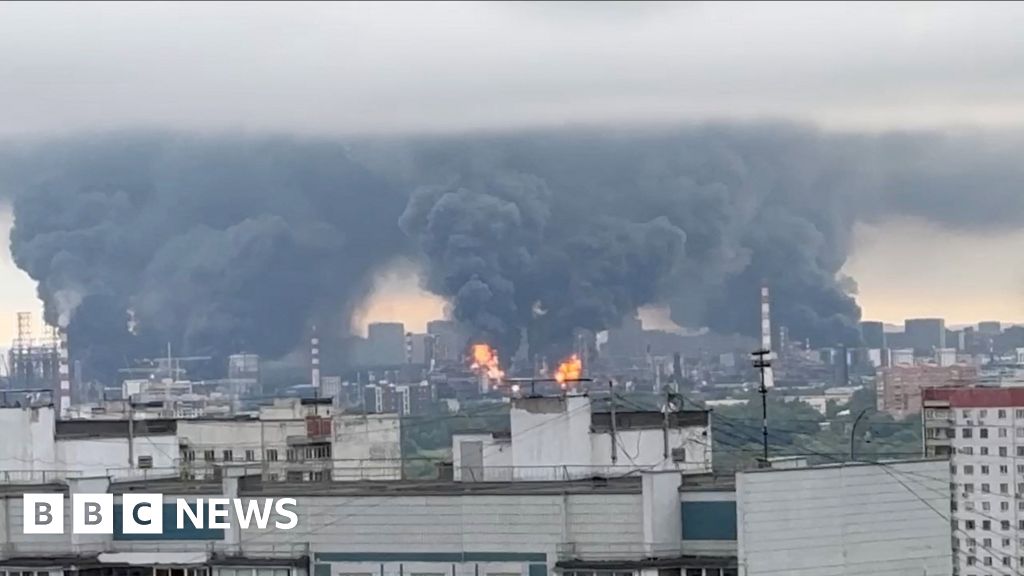
    Moscow hit by largest Ukrainian attack since start of Russia's full-scale war
    A refinery and a shopping centre were burning after almost 200 Ukrainian drones struck an area to the south-east of the Russian capital.
    0 التعليقات 0 المشاركات 27 مشاهدة 0 معاينة
  • WWW.SPORTSCHAU.DE
    Bundesliga-Wechselbrse - die bersicht der Sommertransfers
    Die Sommer-Transfers der Fuball-Bundesliga in der Saison 2026/27: Wer kommt, wer geht? Ein berblick ber alle Transfers.[mehr]
    0 التعليقات 0 المشاركات 32 مشاهدة 0 معاينة
  • https://www.facebook.com/ErodusMaleEnhancementReviewsAndComplaints2026/
    Erodus Male Enhancement ❗❗Shop Now❗❗ https://gutsnutrition.com/Erodus-Male-Enhancement Erodus Male Enhancement is an advanced, all-natural dietary supplement specifically formulated to support healthy testosterone levels, elevate libido, and maximize daily bedroom energy. (EXCLUSIVE OFFER) View Pricing & Availability of Erodus Male Enhancement ✨❗❗Cilick Here To Buy Now❗❗✨...
    0 التعليقات 0 المشاركات 38 مشاهدة 0 معاينة
  • WWW.OURSPORTSCENTRAL.COM
    Frisco Splits Doubleheader with Arkansas
    FRISCO, Texas - On Wednesday night at Riders Field, the Frisco RoughRiders split their doubleheader against the Arkansas Travelers, dropping game one ... - TL Frisco RoughRiders
    0 التعليقات 0 المشاركات 33 مشاهدة 0 معاينة
  • Top 5 Tips For Growers Looking To Buy Coco Slabs In USA
    If you are a commercial grower or a dedicated hobbyist in the United States, you know that efficiency is the key to a profitable harvest. Over the last decade, coco slabs (also known as grow bags) have become the preferred choice for greenhouse cultivation. They are easy to stack, simple to hydrate, and provide a perfectly contained environment for root systems. However, as the demand for...
    0 التعليقات 0 المشاركات 46 مشاهدة 0 معاينة