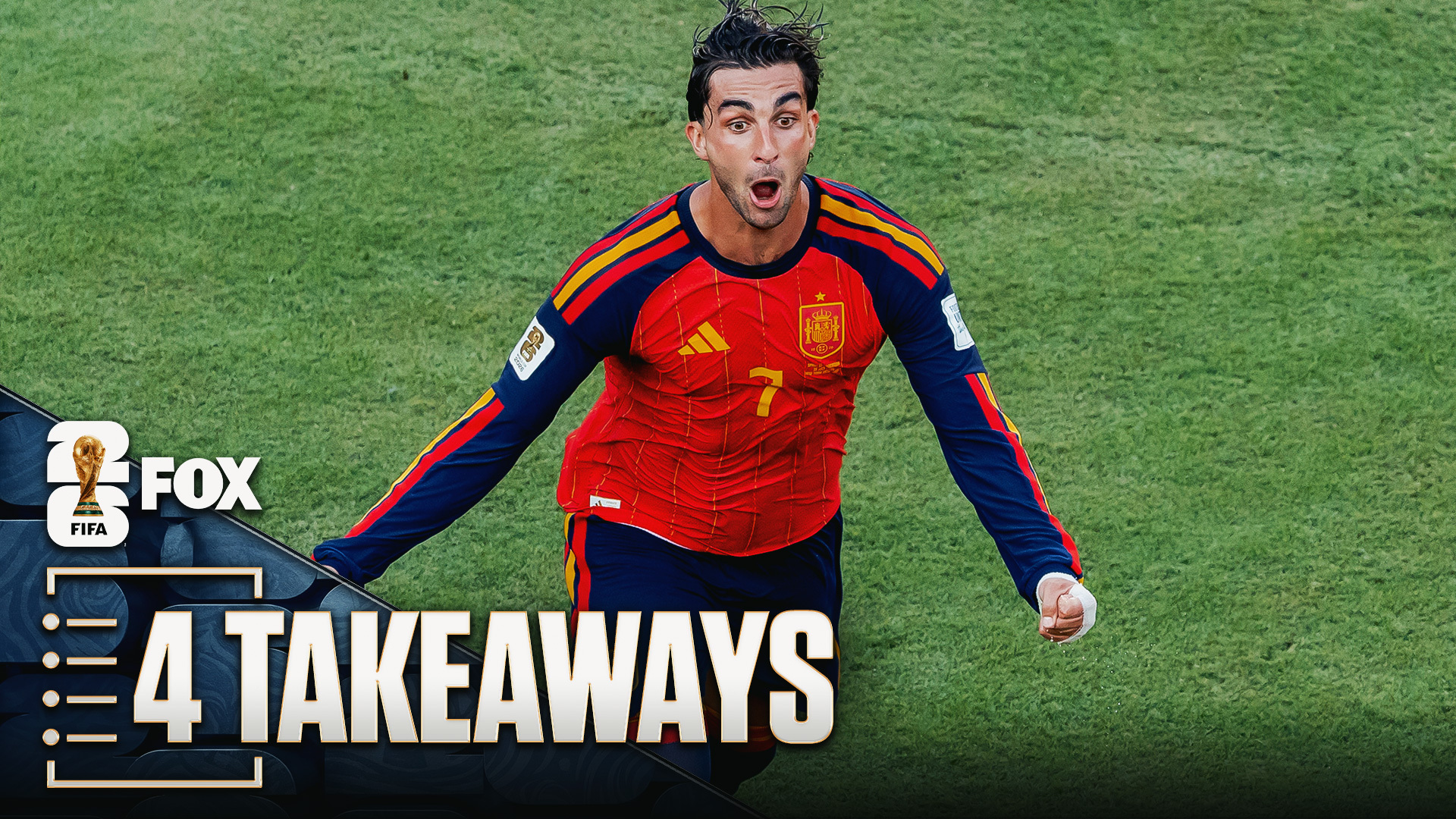
4 Takeaways After Spain Beats Argentina In Extra Time To Win 2026 FIFA World Cup
NEW YORK NEW JERSEY STADIUM Spain stands alone on top of the world. La Roja won their second World Cup title on Sunday Spains first since 2010 by defeating Lionel Messi and 10-man Argentina on Ferran Torress goal in the second half of extra time following a scoreless first 90 minutes. Spain denied the Alblicelestes bid to become the first country to repeat as World Cup champions since Pel led Brazil to back-to-back titles in 1958 and 1962. Spain dominated the match from start to finish. They outshot the Argentines (who lost Enzo Fernndez to a second yellow card before the additional 30 minutes began) by an astounding 20-0 and forced keeper Emiliano Martnez to make 11 saves, a new World Cup final record. Yet it took Torress goal in the 106th minute to defeat the defending champs and probably end Messis career on the biggest stage in sports. Here are my takeaways from Sundays dramatic World Cup final: 1. Spain's Triumph Richly Deserved As they did against England in last weeks semifinal win in Atlanta, Argentinas fans badly outnumbered Spains among the 80,663 who attended Sunday's finale. Most neutral supporters in attendance and watching across the globe probably wanted to see Messi win another World Cup, too, further cementing his legacy as the greatest soccer player of all time. Although they ended up disappointed, La Roja thoroughly deserved to win this World Cup. The pre-tournament favorites were never flashy over their five-plus week stay in North America. They didnt have the panache of France, or the pure star power of other nations even though they fielded teenage sensation Lamine Yamal. Spain was nevertheless the best team at this World Cup. They showed that by rendering France toothless and eliminating Les Bleus with relative ease to reach Sundays decider, where they also badly outplayed Argentina. The score was close, but the stats werent; even before Fernndez was sent off in stoppage time with a second yellow card, Yamal & Co. had controlled nearly two-thirds of the possession. 2. Lionel Messis Last World Cup Game? Almost certainly, yes. The GOAT turned 39 during the tournament. Hell celebrate his 43rd birthday when Argentina, Morocco, Paraguay, Portugal, Spain and Uruguay co-host the centennial World Cup in 2030. (As things stand now, the South American nations will get just one match each.) Messi may be superhuman, but he's human nonetheless. Surely he wont still be scoring almost at will at the highest level four years from now. Right? Although if theres anyone who can, why not him? Messi was at the height of his powers this summer, eclipsing the career-best seven goals he scored in leading his country to the 2022 title. Hed said he would retire after that World Cup, only to change his mind after Argentina prevailed. After coming so close to winning a second title, could he try to climb that mountain again? After all, Cristiano Ronaldo was 41 this summer and still scored three goals in Portugals five matches. And because Messis game doesn't rely as much on physicality, he could surely stick around a little longer if he wants to. 3. La Rojas Own Dynasty Is Just Beginning So much of the talk in the lead-up to Sundays grand finale a few miles west of New York City was the opportunity for Argentina to do something unprecedented by becoming the first national team ever to win four consecutive major titles, snapping a tie with the legendary Spanish side of the early 2010s. In ending that dream for the 2022 World Cup champs, this generation of Spanish players asserted themselves as worthy successors to both of those dynasties. Under coach Luis de la Fuente, Spain has won three trophies in the last three years; Sundays triumph capped the European Championship La Roja claimed in 2024 and the UEFA Nations League crown it claimed a year earlier. (They narrowly lost the Nations League final last summer, to Portugal.) With another Nations League to play for next year, Euro 2028, set for the following summer and a home World Cup two years after that, Spain, with the fifth-youngest roster among the 48 squads at this World Cup, will have a chance over the next few years to go down as the most decorated national team of them all. 4. Whats Next For Argentina? Messi isnt the only regular who might not be back even for the 2028 Copa Amrica, let alone the next World Cup. Coach Lionel Scaloni could leave; the architect of the most successful Argentina team ever is out of contract and hasnt said whether he wants to return. Eight players besides Messi are also already 30 or older. With an average age of almost 29, they were one of the grayer teams in this World Cup. So even if Messi and Scaloni stay, change is coming for the runner-up. And if both Lionels leave? A whole new batch of fresh faces led by young holdovers like Valentn Barco and Nico Paz, both 21, and Giuliano Simeone (23) will be asked to grab the baton from the vets. Theyll have an awful lot to live up to.



 About SPORTIVO Network

 Czech
Czech
 Arabic
 French
 Spanish
 Portuguese
 Deutsch
 Turkish
 Dutch
Dutch
 Italiano
 Russian
 Romaian
 Portuguese (Brazil)
 Greek
Greek