


 About SPORTIVO Network
Engine Solutions: Modern Approaches to Performance, Efficiency, and Reliability
Introduction
Engines are the heart of any vehicle or machinery, transforming fuel into mechanical energy that powers movement and operation. Over time, advancements in technology have introduced a wide range of engine solutions designed to improve performance, enhance fuel efficiency, reduce emissions, and ensure long-term reliability. Whether in automobiles, industrial machines, or power generators, modern engine solutions play a vital role in meeting the growing demands of performance and environmental sustainability.
Understanding Engine Solutions
Engine solutions refer to the methods, technologies, and systems used to optimize engine performance and resolve issues related to efficiency, durability, and emissions. These solutions can include mechanical improvements, electronic control systems, maintenance practices, and innovative fuel technologies. The goal is to ensure that engines operate smoothly, consume less fuel, and produce minimal environmental impact.
Common Engine Problems and Their Solutions
1. Overheating Issues
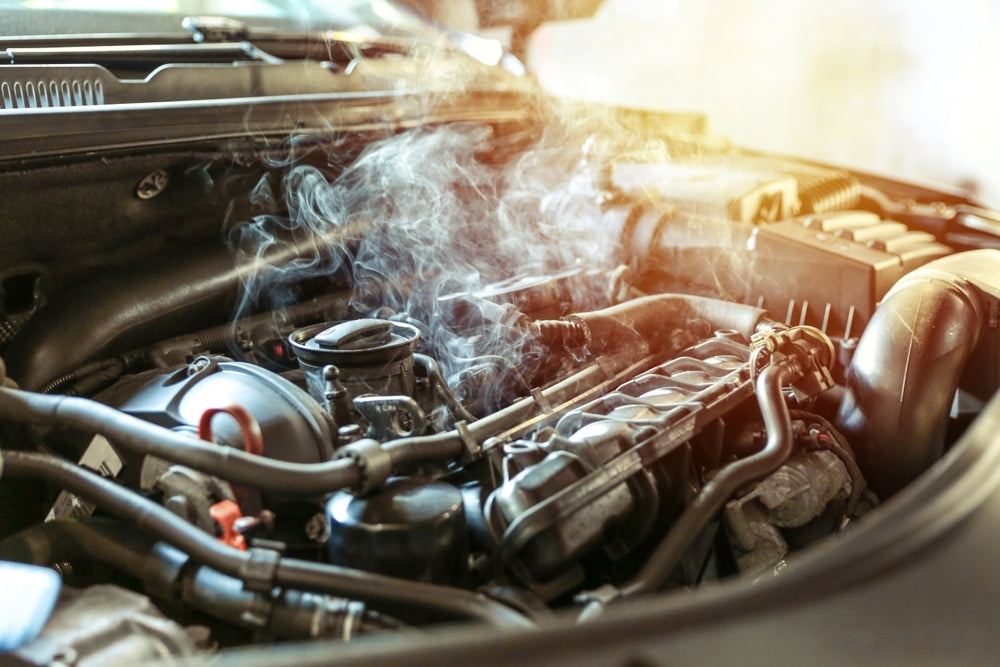
Overheating is one of the most common engine problems. It can result from low coolant levels, a faulty radiator, or a damaged thermostat.
Solution: Regular inspection of the cooling system, timely coolant replacement, and ensuring proper airflow through the radiator can prevent overheating. Installing high-performance cooling systems can also help in extreme conditions.
2. Poor Fuel Efficiency
Many engines suffer from reduced fuel efficiency due to clogged fuel injectors, dirty air filters, or worn-out components.
Solution: Routine maintenance, such as replacing air filters and cleaning fuel injectors, can restore efficiency. Advanced fuel management systems also optimize fuel delivery for better mileage.
3. Engine Knocking
Engine knocking occurs when fuel burns unevenly in the cylinders, causing noise and potential damage.
Solution: Using high-quality fuel, maintaining proper ignition timing, and ensuring clean combustion chambers can reduce knocking. Modern engines use sensors to automatically adjust timing and prevent this issue.
4. Excessive Emissions
Engines can produce harmful emissions due to incomplete combustion or faulty exhaust systems.
Solution: Installing catalytic converters, using cleaner fuels, and adopting emission control technologies significantly reduce harmful gases released into the environment.
Advanced Engine Technologies
1. Electronic Control Units (ECU)
Modern engines are equipped with ECUs that monitor and control engine functions. These systems analyze data from sensors and adjust fuel injection, ignition timing, and air intake for optimal performance.
2. Turbocharging and Supercharging
Turbochargers and superchargers increase engine power by forcing more air into the combustion chamber. This allows smaller engines to produce more power while maintaining efficiency.
3. Hybrid Engine Systems
Hybrid engines combine traditional internal combustion engines with electric motors. This reduces fuel consumption and emissions while improving overall efficiency.
4. Direct Fuel Injection
Direct injection technology delivers fuel directly into the combustion chamber, improving fuel efficiency and reducing waste. It also enhances engine performance and responsiveness.
Preventive Maintenance as an Engine Solution
Preventive maintenance is one of the most effective ways to ensure engine longevity. Regular servicing helps identify potential issues before they become serious problems.
Key maintenance practices include:
- Changing engine oil at recommended intervals
- Replacing filters (air, fuel, and oil)
- Inspecting spark plugs and ignition systems
- Checking belts and hoses
- Monitoring engine diagnostics
By following a consistent maintenance schedule, users can avoid costly repairs and extend the life of their engines.
Sustainable Engine Solutions
1. Alternative Fuels
The use of alternative fuels such as natural gas, biofuels, and hydrogen is gaining popularity. These fuels produce fewer emissions and reduce dependence on fossil fuels.
2. Electric and Hybrid Engines
Electric engines eliminate emissions entirely, while hybrid systems offer a balance between fuel efficiency and performance. These solutions are becoming increasingly common in modern transportation.
3. Start-Stop Technology
Start-stop systems automatically turn off the engine when the vehicle is idle and restart it when needed. This reduces fuel consumption and emissions, especially in urban traffic conditions.
Engine Diagnostics and Smart Solutions
Modern engines rely heavily on diagnostic systems to detect issues. On-board diagnostics (OBD) systems provide real-time data about engine performance and alert users to potential problems.
Smart engine solutions include:
- Predictive maintenance using data analytics
- Remote monitoring through connected devices
- Automated alerts for servicing needs
These technologies help users take proactive measures, reducing downtime and improving efficiency.
Industrial Engine Solutions
Engine solutions are not limited to vehicles; they are equally important in industrial applications. Heavy machinery, generators, and construction equipment rely on powerful engines that require specialized solutions.
Industrial engine solutions include:
- High-capacity cooling systems
- Advanced lubrication techniques
- Heavy-duty filtration systems
- Engine load management systems
These solutions ensure that industrial engines operate efficiently under demanding conditions.
Future Trends in Engine Solutions
The future of engine technology is focused on sustainability, efficiency, and automation. Key trends include:
- Increased adoption of electric and hybrid engines
- Development of hydrogen-powered engines
- Integration of artificial intelligence in engine management
- Improved materials for lightweight and durable components
As technology continues to evolve, engine solutions will become more advanced, offering better performance while minimizing environmental impact.
Conclusion
Engine solutions are essential for maintaining performance, improving efficiency, and ensuring the longevity of engines across various applications. From basic maintenance practices to advanced technologies like hybrid systems and smart diagnostics, these solutions address both current challenges and future demands. As the world moves toward more sustainable energy sources, engine solutions will continue to play a crucial role in shaping the future of transportation and industrial operations. By adopting modern engine solutions, users can achieve better performance, lower costs, and a reduced environmental footprint.
For more information.

 Czech
Czech
 English
 Arabic
 French
 Spanish
 Portuguese
 Deutsch
 Turkish
 Dutch
Dutch
 Russian
 Romaian
 Portuguese (Brazil)
 Greek
Greek