A triangular beaker is an important laboratory container used for holding, mixing, heating, and transferring chemicals during scientific experiments. It is designed with a triangular shape that makes pouring liquids easier and more accurate compared to traditional round beakers. The unique structure of the triangular beaker helps reduce spillage and improves handling during laboratory work. It is widely used in schools, research laboratories, chemical industries, and educational institutions because of its practical design and reliable performance in scientific applications.
What is a Triangular Beaker?
A triangular beaker is a specially shaped laboratory vessel that features three sides or edges instead of the usual cylindrical form. It is commonly made from glass or heat-resistant plastic materials and is designed to support safe chemical handling. The triangular structure allows precise pouring of liquids without dripping, making it useful for experiments requiring accuracy. Scientists and students use triangular beakers in many laboratory procedures because they provide convenience, stability, and improved control during chemical operations.
Structure of a Triangular Beaker
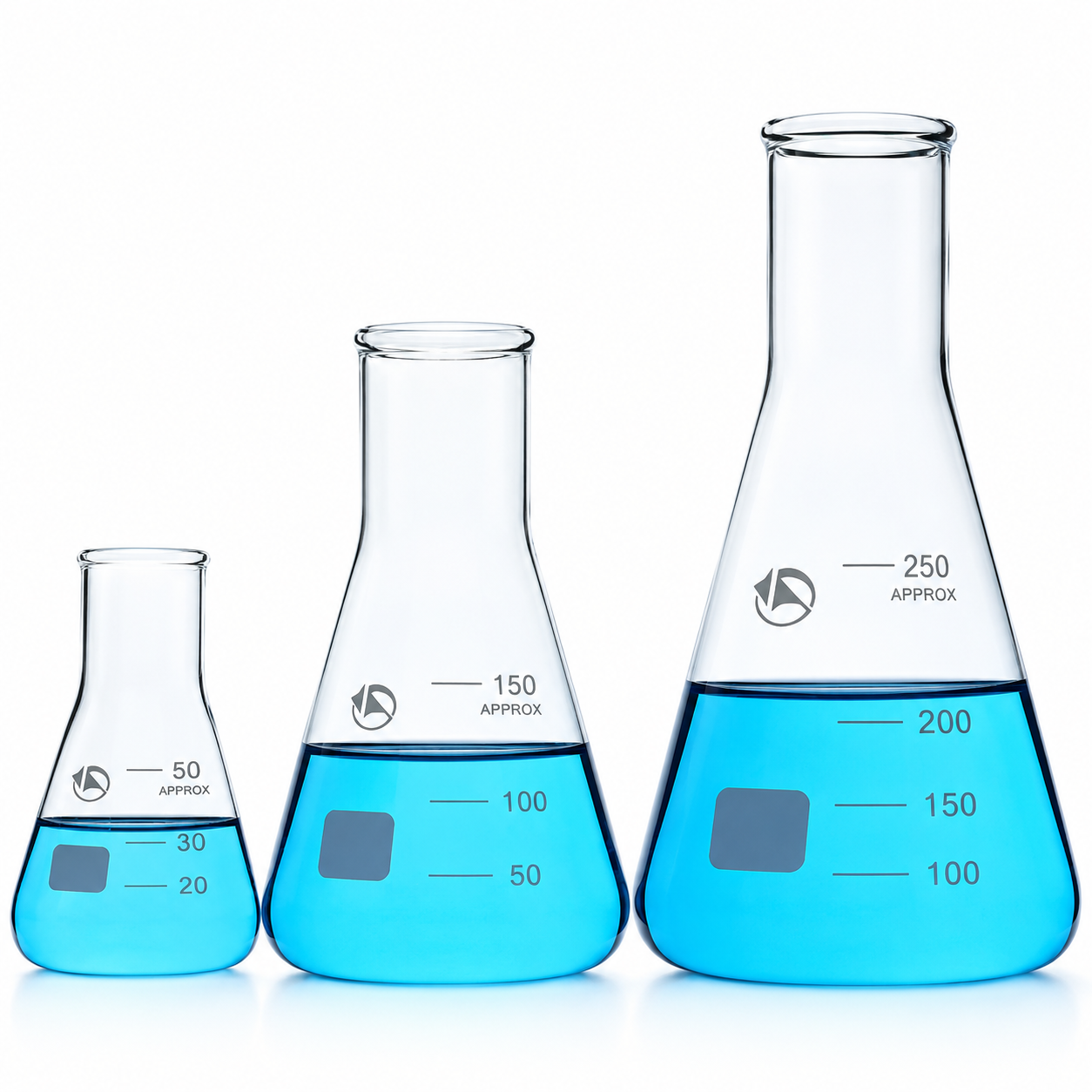
The structure of a triangular beaker includes a flat base, three angled sides, and a wide opening at the top. The body is usually transparent so users can easily observe the contents inside the container. Most triangular beakers also include measurement markings that help estimate liquid volume during experiments. The triangular edges guide liquids smoothly while pouring, which minimizes chemical loss and enhances laboratory safety. The durable construction of the beaker allows it to withstand moderate heat and chemical exposure.
Materials Used in Triangular Beakers
Triangular beakers are commonly manufactured using borosilicate glass, which is known for its excellent heat resistance and chemical durability. Some beakers are also made from high-quality plastic materials for lightweight and portable use. Glass triangular beakers are preferred in laboratories because they can tolerate rapid temperature changes without cracking. Plastic versions are often used in educational settings where breakage risk is higher. The choice of material depends on the nature of the experiment and the chemicals being handled.
Working Principle of a Triangular Beaker
The triangular beaker works as a simple laboratory container designed for efficient liquid handling and chemical mixing. Its triangular shape helps direct the flow of liquid toward a single edge while pouring. This design reduces splashing and improves transfer accuracy. During experiments, chemicals can be heated, stirred, or mixed inside the beaker without difficulty. The wide opening also allows easy insertion of laboratory tools such as thermometers, stirring rods, and pipettes.
Uses of a Triangular Beaker
Triangular beakers are used in many laboratory activities including mixing solutions, heating liquids, preparing chemical reactions, and transferring substances. They are commonly found in chemistry, biology, and pharmaceutical laboratories. Students use them during practical experiments for measuring and observing reactions. Researchers prefer triangular beakers for procedures that require careful pouring and controlled handling of liquids. In industrial laboratories, these beakers help support quality testing and chemical analysis processes.
Importance in Laboratories
The triangular beaker is considered an essential laboratory tool because it improves accuracy and convenience during experiments. Its design allows safer handling of chemicals and minimizes waste caused by spills. Laboratories rely on triangular beakers for efficient liquid transfer and controlled chemical mixing. They are especially useful in situations where precision is required. The beaker’s stability and ease of use make it valuable for both beginners and experienced laboratory professionals.
Advantages of a Triangular Beaker
One major advantage of a triangular beaker is its spill-resistant pouring design. The triangular edges help guide liquids smoothly, reducing mess and chemical loss. Another advantage is its versatility, as it can be used for mixing, heating, and storing substances. The transparent body allows easy observation of reactions and liquid levels. Triangular beakers are also easy to clean and maintain, making them suitable for repeated laboratory use over long periods.
Limitations of a Triangular Beaker
Despite its benefits, the triangular beaker has some limitations. It is not always suitable for highly accurate volume measurements because its markings provide only approximate values. Glass triangular beakers can break if dropped or exposed to extreme physical force. Some chemicals may also react with plastic beakers, limiting their use in advanced laboratory procedures. Additionally, triangular beakers are less common than standard cylindrical beakers, so they may not always be available in every laboratory setting.
Cleaning and Maintenance
Proper cleaning and maintenance of triangular beakers are important for ensuring accurate experimental results and long-term usability. After each use, the beaker should be washed thoroughly using laboratory cleaning solutions and clean water. Residual chemicals should never be left inside the container because they may contaminate future experiments. Glass beakers should be handled carefully to prevent cracks and scratches. Proper storage in a safe and dry environment helps extend the lifespan of the beaker.
Safety Precautions
When using a triangular beaker, proper laboratory safety procedures should always be followed. Users should wear protective gloves, goggles, and laboratory coats while handling chemicals. Hot beakers should never be touched directly without heat-resistant tools or gloves. Care should be taken while pouring hazardous liquids to avoid splashing. Damaged or cracked beakers should not be used because they may break during experiments and cause injuries or chemical spills.
Comparison with Standard Beakers
Triangular beakers differ from standard cylindrical beakers mainly in their shape and pouring efficiency. Standard beakers are more common and widely used for general laboratory tasks, while triangular beakers are preferred for controlled liquid transfer. The triangular design offers better precision during pouring, reducing the chances of spills. However, cylindrical beakers are often easier to manufacture and are available in more sizes. Both types serve important purposes depending on the experiment requirements.
Role in Scientific Education
Triangular beakers play an important role in scientific education by helping students learn practical laboratory skills. Their easy-to-use design makes them suitable for classroom experiments and demonstrations. Students can safely practice measuring, mixing, and transferring chemicals using these beakers. Teachers often use triangular beakers to explain laboratory procedures and chemical reactions. Their practical design supports effective learning and improves understanding of scientific concepts.
Future Developments of Triangular Beakers
Modern laboratory equipment continues to improve, and triangular beakers may also see future advancements in design and materials. Manufacturers are working on developing stronger and lighter materials that improve durability and chemical resistance. Some advanced beakers may include more accurate measurement markings and heat-resistant coatings. As laboratories continue to adopt modern technologies, triangular beakers are expected to remain useful tools for scientific research and education.
Conclusion
The triangular beaker is a valuable laboratory container designed for efficient mixing, heating, and pouring of chemicals. Its unique triangular shape improves liquid handling and reduces spills during experiments. Widely used in laboratories, schools, and industries, it supports accurate and safe scientific work. Although it has some limitations, its advantages make it a practical tool for many laboratory applications. With proper care and handling, triangular beakers provide reliable performance and continue to play an important role in scientific research and education.



 About SPORTIVO Network

 Czech
Czech
 English
 Arabic
 French
 Spanish
 Portuguese
 Deutsch
 Dutch
Dutch
 Italiano
 Russian
 Romaian
 Portuguese (Brazil)
 Greek
Greek