


 About SPORTIVO Network
Zpgearmotor Packaging Machine Gear Motor Does a Larger Frame Size Allow More Starts Per Minute Before Thermal Trip
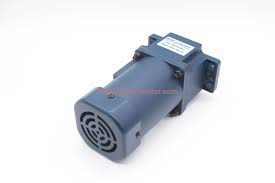
A vertical form fill seal machine runs at high speed all day. Film unwinds from a roll. The machine forms a tube around a filling tube. The sealing jaws close. The machine cuts the bag. The jaws open. The film advances. This cycle repeats thousands of times per hour. Each cycle requires the Packaging Machine Gear Motor from zpgearmotor to start and stop. The motor accelerates the sealing jaw mechanism from zero to full speed. Then it decelerates back to zero. The winding temperature rises with each start. The cooling period between starts determines whether the motor survives the shift. A motor that starts too frequently overheats. The insulation fails. The packaging line stops. The question determines motor selection for every high speed packaging application. How many starts and stops per minute can a packaging machine gear motor handle on a high speed vertical form fill seal machine without overheating the winding
The start stop frequency limit depends first on the motor duty cycle rating. Standard industrial motors carry an S1 duty rating for continuous operation. These motors start once then run for hours. A packaging machine needs an S4 or S5 duty rating. S4 duty covers starting and braking with intermittent operation. S5 duty includes electric braking and starts with short pauses. An S4 motor rated for sixty starts per hour cannot survive sixty starts per minute. The minute rate is sixty times higher. The motor needs an S5 rating with a specific starting frequency and load inertia specified on the nameplate.
The winding insulation class sets the absolute temperature limit. Class F insulation allows a maximum winding temperature of 155 degrees Celsius. Class H insulation allows 180 degrees Celsius. The extra headroom allows more starts before reaching the limit. A Class H motor can handle approximately twenty percent more starts per minute than a Class F motor of the same frame size. The difference matters on a machine running eighty cycles per minute. A Class F motor may trip on thermal overload. A Class H motor runs continuously. The insulation class appears on the motor nameplate but buyers often overlook this specification for packaging applications.
The load inertia relative to the motor inertia determines the heating per start. A direct coupled load with low inertia heats the winding less per start than a high inertia load. A sealing jaw mechanism with lightweight aluminum components starts easily. A heavy steel turret with product pockets requires more energy per start. The motor datasheet lists a maximum permissible load inertia for a given starting frequency. Exceeding this inertia doubles the winding temperature rise per start. The packaging machine designer calculates the reflected load inertia at the motor shaft. The selected gear motor must have a published inertia rating that exceeds the calculated value.
The acceleration time affects winding temperature directly. A motor that reaches full speed in 0.1 second draws six times the full load current during acceleration. A motor that accelerates in 0.5 second draws the same six times current but for a longer duration. The total heating energy equals current squared times time. A shorter acceleration time reduces heating even though the peak current stays high. The motor must have sufficient breakdown torque to accelerate the load quickly. A motor with high torque capability finishes the start faster and runs cooler.
The braking method adds additional heating. A motor that coasts to a stop generates no braking heat. A motor with dynamic braking dissipates the load energy inside the motor winding. The braking energy adds to the starting energy. The total heating per cycle doubles with braking. A motor that handles sixty starts per minute without braking may handle only thirty starts per minute with braking. A packaging machine that uses regenerative braking through a VFD sends the braking energy back to the power supply. The motor winding stays cooler. The VFD must have regenerative capability or a braking resistor.
The motor frame size and thermal mass affect how many starts accumulate before overheating. A larger frame motor with more copper and iron has greater thermal capacity. The temperature rises more slowly with each start. A 90 millimeter frame motor may reach its temperature limit after thirty starts. A 120 millimeter frame motor of the same power rating may tolerate sixty starts. The larger motor costs more but allows higher machine speed. The packaging line productivity increase often justifies the larger frame size.
The cooling method changes the allowable start frequency dramatically. A totally enclosed fan cooled motor relies on the shaft mounted fan. The fan moves less air at low speed. A motor that starts and stops constantly spends most of its time at zero or low speed. The fan provides inadequate cooling. A motor with a separately powered blower maintains full airflow regardless of motor speed. The blower runs continuously. The winding temperature stays lower between starts. A motor with forced ventilation can handle twice the starts per minute compared to the same motor with shaft mounted fan.
The ambient temperature around the packaging machine affects thermal headroom. A motor in an air conditioned packaging room starts with a lower initial temperature than a motor in a hot factory. The allowable number of starts per minute decreases as ambient temperature rises. A motor that handles eighty starts per minute at 25 degrees Celsius may handle only fifty starts per minute at 40 degrees Celsius. The packaging machine installer must measure the actual operating temperature. The motor selection uses the worst case summer temperature for calculation.
The control algorithm in the VFD influences winding heating. A VFD programmed for fast acceleration uses full current to reach speed quickly. A VFD programmed for smooth acceleration ramps up more slowly. The slow ramp reduces peak current but extends acceleration time. The total heating may increase or decrease depending on the load characteristics. A packaging machine with light load runs fast acceleration. A machine with high load inertia runs slower acceleration to reduce peak torque requirements. The optimal setting requires testing with a thermal camera on the motor winding.
The actual start stop frequency on a VFFS machine depends on the bag length and machine speed. A machine making small bags at high speed cycles faster than a machine making large bags at slower speed. The gear motor must match the fastest cycle rate the machine will ever run. A motor that works fine for hundred millimeter bags may overheat on fifty millimeter bags. The packaging line operator must know the motor start frequency limit before increasing machine speed.
For a Packaging Machine Gear Motor specifically designed for high cycle VFFS applications with Class H insulation and forced ventilation, visit https://www.zpgearmotor.com/. That catalog shows motors rated for hundreds of starts per minute with published load inertia limits and thermal curves. The right motor runs continuously at full packaging speed. The wrong motor trips the thermal overload before lunch. A packaging line cannot afford unplanned stops. Matching the motor start rating to the machine cycle rate prevents downtime and extends equipment life.

 Czech
Czech
 English
 Arabic
 French
 Spanish
 Portuguese
 Deutsch
 Dutch
Dutch
 Italiano
 Russian
 Romaian
 Portuguese (Brazil)
 Greek
Greek