


 Android App
 About SPORTIVO Network
Study Dentistry in Spain in English for International Students
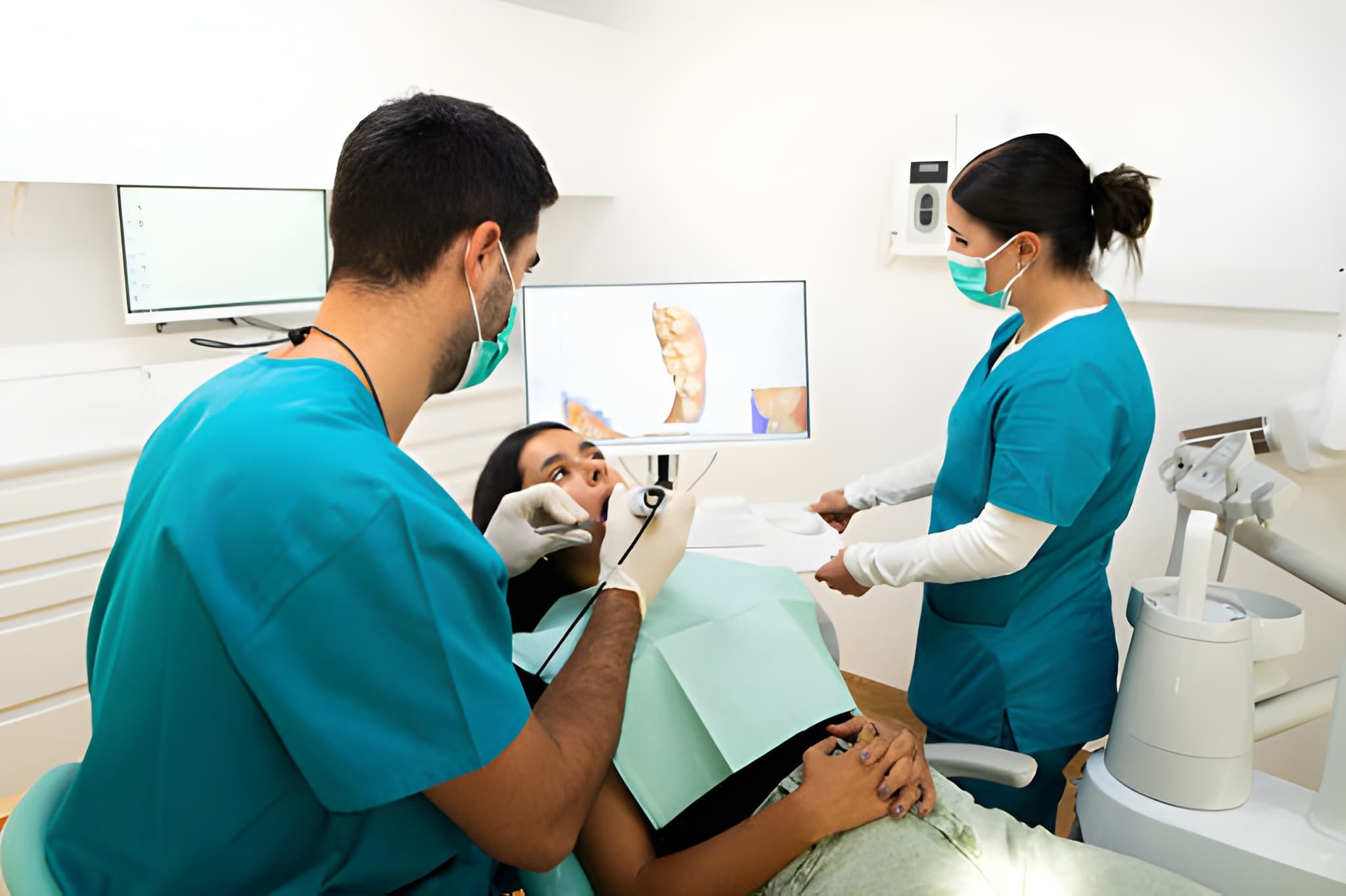
Study Dentistry in Spain in English has become a popular search choice for international students who want a globally recognised dental degree without language barriers. Spain offers high academic standards, advanced clinical training, and English-taught programs designed specifically for international applicants. With modern facilities, experienced faculty, and a welcoming lifestyle, Spain is now one of Europe’s top destinations for dentistry studies.
This guide explains why Spain is an excellent choice and what international students need to know before applying.
Why Choose Spain for Dentistry Studies?
Spain is well known for its strong healthcare education system and practical teaching approach. Dental students benefit from early hands-on experience, modern equipment, and exposure to real patients from the early years of study. Compared to countries like the UK, Ireland, or the USA, Spain also offers more affordable tuition fees.
In addition, Spain’s climate, culture, safety, and vibrant student life make it an attractive place to live while studying a demanding program like dentistry.
Dentistry Programs Taught in English
Several private universities in Spain offer dentistry degrees fully or partially taught in English. These programs are structured to help international students succeed academically while gradually adapting to the Spanish healthcare environment.
Although lectures and exams may be in English, students are encouraged to learn Spanish alongside their studies. This becomes particularly important during clinical years, when communication with patients is required.
Top Universities Offering Dentistry in English
Spain has multiple internationally recognised universities offering English-taught dentistry programs. One of the most popular choices is Universidad Europea, known for its modern dental clinics and strong international focus.
Another leading institution is Universidad CEU San Pablo, which offers high academic standards and excellent student support services.
Universidad Católica de Murcia (UCAM) attracts international students due to its affordable tuition fees and English-taught health science programs.
Additionally, Universidad Alfonso X el Sabio is known for its strong emphasis on clinical practice and advanced dental technology.
Entry Requirements for International Students
Admission requirements vary by university, but most require a secondary school certificate with good grades in biology and chemistry. Some universities conduct entrance exams, while others assess students through academic transcripts and interviews.
English language proficiency is mandatory for English-taught programs, usually proven through IELTS or an equivalent test. Non-EU students must also meet visa requirements set by Spanish immigration authorities.
Tuition Fees and Living Costs
Dentistry tuition fees in Spain are generally lower than in many English-speaking countries. Annual fees typically range between €15,000 and €25,000 depending on the university and location.
Living costs in Spain are also reasonable. International students usually spend between €800 and €1,200 per month on accommodation, food, transport, and personal expenses. Cities such as Madrid and Barcelona are more expensive, while smaller cities offer more budget-friendly options.
Clinical Training and Practical Experience
One of the biggest advantages of studying dentistry in Spain is the focus on clinical training. Students gain hands-on experience in university-run dental clinics under professional supervision. This practical exposure helps students build confidence, improve technical skills, and understand real-world dental practice.
Early clinical experience is a major reason why Spanish dentistry graduates are highly valued internationally.
Career Opportunities After Graduation
Graduates of dentistry programs in Spain can pursue careers in private clinics, hospitals, or continue with postgraduate specialisations. Degrees from accredited Spanish universities are recognised across the European Union, although registration requirements may vary by country.
Many international students return home after graduation, while others choose to work in Europe after completing licensing procedures.
Final Thoughts
Spain has firmly established itself as a leading destination for international dental education. With English-taught programs, modern clinical training, and affordable costs, it offers an excellent balance of quality and value. For students planning to study dentistry abroad, Spain provides a trusted pathway to a successful dental career while offering an enriching international experience that combines education, culture, and professional growth.

 Czech
Czech
 English
 Arabic
 Spanish
 Portuguese
 Deutsch
 Turkish
 Dutch
Dutch
 Italiano
 Russian
 Romaian
 Portuguese (Brazil)
 Greek
Greek