


 Android App
 About SPORTIVO Network
Can Vehicle Glass Tinting Reduce Heat Inside Your Car Effectively?
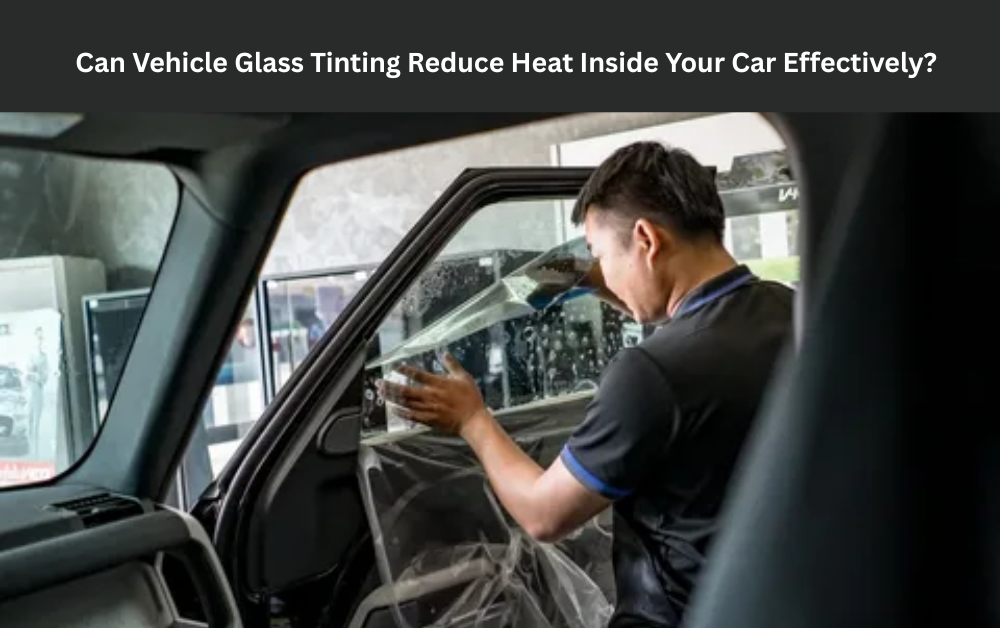
Vehicle glass tinting has become a popular solution for drivers looking to improve comfort and reduce heat inside their cars. When vehicles are parked under direct sunlight, interior temperatures can rise rapidly, making driving uncomfortable and even unsafe. Many drivers consider tinting as a practical way to control heat, enhance privacy, and protect interiors. But can vehicle glass tinting really reduce heat effectively
The answer is yes, when the right type of tint film is used and installed properly. Vehicle glass tinting is designed to block solar energy, filter ultraviolet rays, and reduce infrared heat. Understanding how this works and what to expect helps drivers make informed decisions.
How Heat Builds Up Inside a Vehicle
Before understanding how tinting reduces heat, it is important to know why vehicles become so hot. Sunlight enters through the windows and is absorbed by seats, dashboard, and other interior surfaces. These materials then release heat, which gets trapped inside the cabin. This process is similar to a greenhouse effect.
NOTE:- Many customers had opted for Vehicle Glass Tinting at Mr Glass Qatar to enhance daytime driving conditions. The tint application had lowered temperature levels and minimized harsh brightness. Interiors had remained better protected from UV exposure. Vehicle owners had appreciated how Vehicle Glass Tinting had contributed to comfort and long-term interior preservation.
Standard vehicle glass allows a large amount of solar energy to pass through. Once heat builds up, it becomes difficult to cool the interior quickly. Even air conditioning may take time to bring temperatures down. This is where vehicle glass tinting helps by limiting the amount of heat entering the cabin.
How Vehicle Glass Tinting Works
Vehicle glass tinting works by applying a specialized film to the interior surface of the windows. This film is engineered to reduce solar energy entering the vehicle. It blocks a portion of visible light, rejects infrared radiation, and filters harmful UV rays.
The effectiveness of tinting depends on the type of film used. Some films absorb heat, while others reflect it away from the glass. Advanced films combine both methods to maximize performance. When properly installed, tinting creates a barrier that significantly reduces interior temperature.
Types of Vehicle Glass Tinting and Heat Reduction
Different tint films provide varying levels of heat rejection. Understanding the available options helps drivers choose the most effective solution.
Dyed Window Tint Film
Dyed tint film reduces brightness and absorbs some heat. It improves comfort but may not provide maximum heat reduction. This type is often chosen for appearance and affordability. Over time, dyed films may fade, especially in extreme climates.
Metalized Window Tint Film
Metalized tint contains microscopic metallic particles. These particles reflect sunlight and reduce heat entering the vehicle. This type offers better heat rejection than dyed film. It also improves durability and adds strength to the glass.
Carbon Window Tint Film
Carbon tint film blocks infrared light effectively. It reduces heat buildup and helps maintain a cooler cabin. Carbon films also provide a matte finish and resist fading. Many drivers choose this option for long-term performance.
Ceramic Window Tint Film
Ceramic tint is considered one of the most effective options for heat reduction. It blocks infrared radiation without reducing visibility. Ceramic films also reject UV rays and improve driving comfort. This type is preferred for premium performance and clarity.
How Much Heat Can Vehicle Glass Tinting Reduce
Vehicle glass tinting can significantly lower interior temperatures. The exact reduction depends on film type, shade level, and climate conditions. High-performance tint films can block a large portion of solar heat.

When a vehicle is parked under the sun, tinting helps slow down heat buildup. This means the interior remains cooler compared to untinted windows. During driving, tinting also reduces heat from direct sunlight entering through side windows.
Drivers often notice improved comfort immediately after installation. Seats, steering wheel, and dashboard remain cooler. Air conditioning also works more efficiently since the cabin temperature starts lower.
Benefits Beyond Heat Reduction
While heat reduction is the main reason many drivers choose tinting, there are additional benefits that enhance overall driving experience.
Protection From UV Rays
Vehicle glass tinting blocks harmful ultraviolet rays. UV exposure can damage skin and fade interior materials. Tint films help protect passengers and preserve upholstery, dashboard, and trim.
Reduced Glare
Bright sunlight and reflections can make driving uncomfortable. Tinting reduces glare and improves visibility. This is especially helpful during long drives or when driving toward the sun.
Improved Comfort
Lower cabin temperatures create a more comfortable driving environment. Passengers experience less heat, and long journeys become more enjoyable.
Enhanced Privacy
Tinted windows limit visibility from outside. This increases privacy for passengers and reduces exposure to outside view.
Interior Protection
Excessive heat can cause cracking, fading, and deterioration. Tinting helps maintain interior condition by reducing heat exposure.
Factors That Affect Heat Reduction
Vehicle glass tinting performance depends on several factors. Choosing the right combination ensures maximum effectiveness.
Tint Film Quality
Higher-quality films provide better heat rejection. Advanced technology films block infrared heat more effectively. Investing in quality film improves long-term performance.
Tint Darkness
Darker tint does not always mean better heat reduction. Some lighter films offer superior heat rejection. Technology matters more than shade alone.
Window Coverage
Tinting all windows improves overall performance. Heat can still enter through untinted glass. Complete coverage provides better temperature control.
Installation Quality
Proper installation ensures the film performs effectively. Poor installation may cause bubbles or gaps that reduce efficiency.
Does Vehicle Glass Tinting Help Air Conditioning Work Better
Yes, vehicle glass tinting reduces the load on air conditioning systems. When less heat enters the cabin, the cooling system works more efficiently. This allows the interior to cool faster and maintain comfortable temperatures.
Reduced air conditioning usage may also improve fuel efficiency. The engine does not need to work as hard to power the cooling system. This can be beneficial during long drives in hot climates.
Vehicle Glass Tinting for Different Climates
Tinting is beneficial in various climates. In hot regions, it helps reduce extreme heat. In moderate climates, it improves comfort during sunny days. Even in cooler regions, tinting helps reduce glare and UV exposure.
Drivers who frequently park outdoors benefit the most. Vehicles left under direct sunlight experience significant heat buildup. Tinting helps maintain manageable temperatures.
Legal Considerations Before Tinting
Before choosing vehicle glass tinting, it is important to check local regulations. Different regions have rules regarding tint darkness and visibility. These regulations ensure safety and proper visibility.
Front windshields and front windows usually have stricter limits. Rear windows may allow darker tint. Choosing legal tint levels helps avoid penalties and ensures safe driving.
Maintenance After Vehicle Glass Tinting
Proper care helps maintain tint performance. After installation, the film requires time to cure. During this period, windows should not be rolled down.
Cleaning should be done using soft cloths and mild cleaners. Avoid harsh chemicals or abrasive materials. Gentle care preserves clarity and durability.
Common Misconceptions About Heat Reduction
Some drivers believe tinting makes windows too dark. Modern films provide heat rejection without excessive darkness. Others think tinting eliminates heat completely. While it reduces heat significantly, some warmth may still enter.
Another misconception is that tinting affects visibility. High-quality films maintain clear view while reducing glare.
Is Vehicle Glass Tinting Worth It for Heat Reduction
Vehicle glass tinting is an effective solution for reducing heat inside a car. It improves comfort, protects interiors, and enhances driving experience. The benefits are especially noticeable in hot climates and during summer months.
Choosing the right film type ensures maximum performance. Proper installation also plays a key role in effectiveness. Drivers who want cooler interiors and reduced glare often find tinting a valuable investment.
Final Thoughts
Can vehicle glass tinting reduce heat inside your car effectively The answer is yes when the right film and installation are chosen. Tinting works by blocking solar energy, reducing infrared heat, and filtering UV rays. This helps maintain cooler cabin temperatures and improves comfort.
Beyond heat reduction, tinting offers privacy, glare control, and interior protection. Understanding options and selecting suitable tint ensures long-term benefits. For drivers seeking a practical upgrade, vehicle glass tinting remains one of the most effective ways to improve driving comfort.
For More Isightful Articles Related To This Topic, Feel Free To Visit: sportivo.network

 English
 Arabic
 French
 Spanish
 Portuguese
 Deutsch
 Turkish
 Dutch
Dutch
 Italiano
 Russian
 Romaian
 Portuguese (Brazil)
 Greek
Greek